

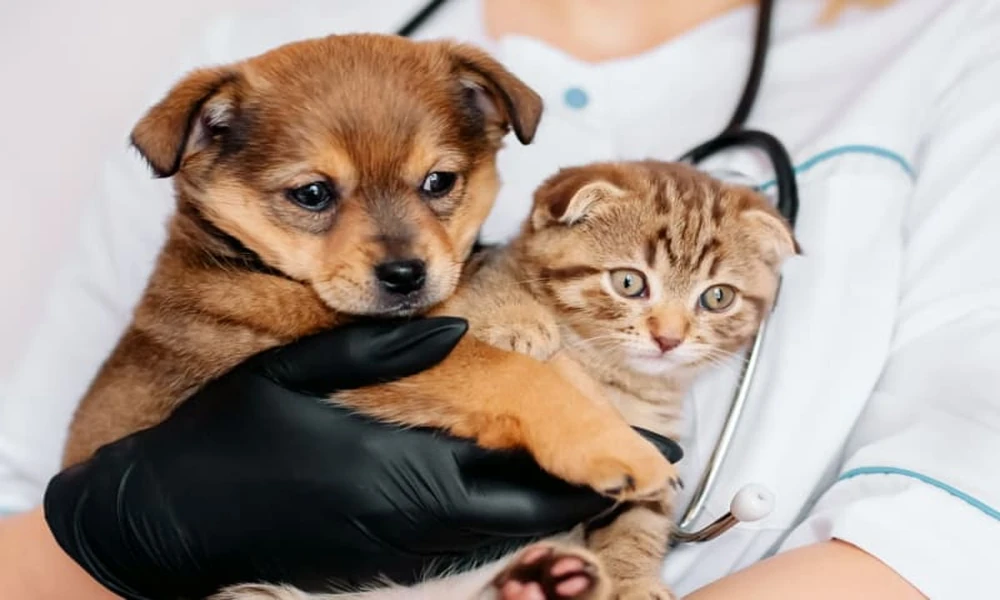
You want your pet to stay healthy, active, and comfortable for as long as possible. That sounds simple until real life gets in the way. Pets hide pain, schedules get packed, and it is easy to tell yourself that if your dog is eating or your cat is still jumping on the couch, everything is probably fine. Working with a veterinarian in Lake Forest, CA can help catch concerns early. Then a small issue turns into an expensive one, or worse, a painful one your pet has been carrying quietly for months.
That is where the role of veterinary clinics in preventive pet care becomes clear. An Animal Hospital does more than treat illness after it starts. Regular exams, vaccines, dental checks, parasite screening, nutrition guidance, and early lab work help catch problems before they affect your pet’s quality of life. Preventive care protects your pet, helps you avoid surprise costs, and gives you a clearer picture of what your animal needs at each life stage.
Veterinary clinics support preventive pet health through early detection and routine care
Most pet owners do not miss warning signs because they do not care. They miss them because the signs are easy to normalize. A slower walk becomes “getting older.” Bad breath becomes “dog breath.” Weight gain becomes “she loves treats.” Cats are even harder to read. They often keep eating and using the litter box while hiding joint pain, dental disease, or stress.
Routine veterinary visits create a record of what is normal for your pet. Weight trends, heart and lung sounds, skin condition, mobility, gum health, and behavior changes all mean more when they are tracked over time. A veterinarian can spot subtle shifts long before they become obvious at home.
This matters because many common conditions respond better when found early. Dental disease can lead to pain and infection. Obesity raises the risk of arthritis, diabetes, and heart strain. Parasites may not cause dramatic symptoms at first, but they still affect health and can expose people in the home to zoonotic risks. The CDC’s healthy pets clinical resources outline why prevention and routine monitoring matter for both animals and the people who live with them.
Preventive veterinary care also changes as your pet ages. A puppy or kitten needs vaccine series, parasite control, and guidance on growth and behavior. An adult pet needs steady wellness checks, dental care, and weight management. A senior pet may need bloodwork, arthritis support, and closer monitoring for organ disease. The goal stays the same, but the plan should not stay frozen in time.
Skipping preventive pet care often leads to higher stress and higher costs
Many families delay vet visits for the same reason they delay their own checkups. If nothing seems wrong, it feels easier to wait. The problem is that waiting often moves care from manageable to urgent.
A dog with untreated ear irritation may end up with a severe infection. A cat with quiet dental pain may stop eating one day and need fast treatment. A pet with gradual weight gain may develop mobility problems that now require medication, special food, and home changes. What started as a routine exam and a conversation becomes a much larger medical issue.
There is also the emotional side. When pets get sick suddenly, owners often replay the past few months and wonder what they missed. That guilt is heavy, even when it is not fair. Regular care lowers that uncertainty because you are not guessing. You are making decisions with current information.
For a broader view of responsible pet ownership, the AVMA pet ownership guide gives a useful overview of the daily and long term needs that support a healthy animal.
Preventive care at an Animal Hospital offers clearer benefits than a wait and see approach
| Approach | What It Often Looks Like | Likely Outcome |
|---|---|---|
| Routine preventive visits | Annual or semiannual exams, vaccines, fecal testing, heartworm screening, dental checks, weight review | Earlier detection, steadier costs, less pain, better long term health |
| Home monitoring only | Watching appetite, energy, and bathroom habits without regular exams | Useful but limited, many issues stay hidden until advanced |
| Care only when symptoms appear | Booking a visit after limping, vomiting, odor, swelling, or behavior changes become obvious | Higher chance of urgent treatment, more stress, larger bills |
This is why pet wellness care is not just a nice extra. It is the part of care that gives context to everything else. Emergency medicine matters, but prevention shapes whether emergencies happen at all and how severe they become.
Small, consistent steps make veterinary preventive care work better
Schedule care by life stage, not by crisis. Puppies, kittens, seniors, and pets with chronic issues often need more frequent visits than a healthy adult pet. If you wait for a visible problem, you lose the advantage of early detection.
Track changes at home between visits. Write down weight changes, appetite shifts, new odors, scratching, limping, thirst, accidents in the house, or changes in sleep. Small notes help your veterinary team connect patterns that are easy to miss in memory.
Ask for a prevention plan you can actually maintain. The best plan is one you will follow. That may include vaccine timing, parasite prevention, dental cleaning intervals, diet guidance, and recommended lab work. If cost is a concern, say so early. Clinics can often help you prioritize what matters most now and what can be planned next.
Veterinary clinics remain central to long term pet health
Your pet depends on you to notice what they cannot explain, and you do not have to figure it all out alone. Veterinary clinics help turn uncertainty into a plan, catching hidden issues early and supporting the daily choices that keep pets healthier for longer. Preventive care is not about doing everything at once. It is about staying close to your pet’s health before trouble gets a head start.
If your pet has not had a recent wellness visit, now is a good time to schedule one with an Animal Hospital and build a preventive care routine that fits your pet’s age, habits, and risks.