

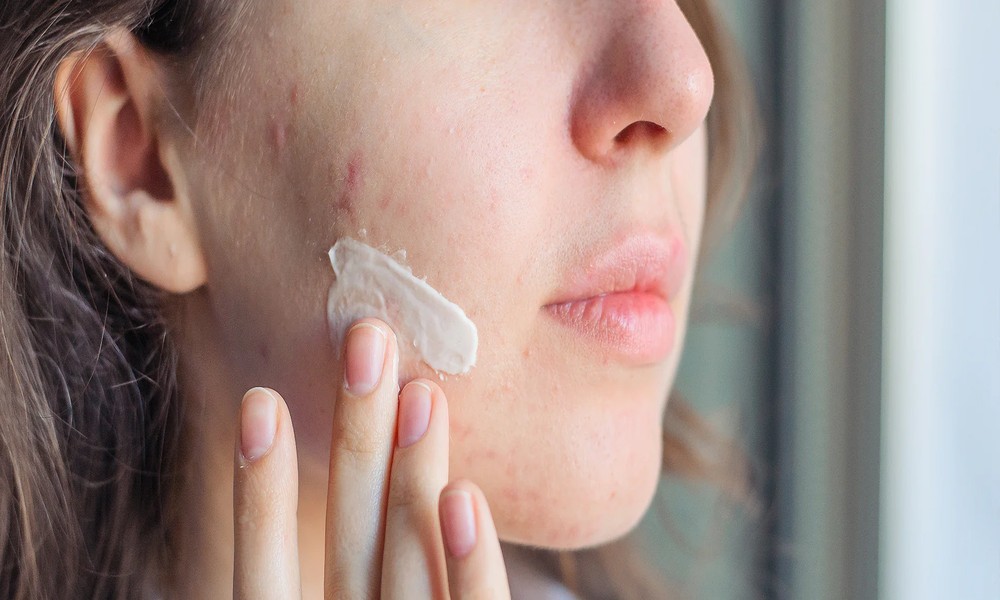
That spot that appeared this morning did not start this morning. Pore blockages develop slowly, sometimes over weeks, before they reach the surface. Salicylic acid is useful precisely because it works earlier in that process, before damage becomes visible. Blackheads and whiteheads are prevented by clogged pores. It reduces inflammation and redness, which calms existing breakouts. A smoother complexion will result from its exfoliating properties.
Inside the pore
Skincare ingredients are mostly water-based. Water and oil do not mix, which means most products stop at the skin surface. Myaster features salicylic acid options as this ingredient functions differently in skincare applications. Salicylic acid is oil soluble. It moves along the same pathway as sebum, entering the follicle instead of remaining on the surface. The blockages behind blackheads and whiteheads consist of the same material, dead cells combined with trapped oil, but occur at different depths. Salicylic acid reaches both. It breaks down that compacted material from inside the pore rather than working around it from the surface.
Exfoliation below the surface
Beta-hydroxy acids differ from alpha-hydroxy acids in one important way. AHAs, glycolic and lactic acid being the common ones, exfoliate at the outermost skin layer. The oil solubility of BHAs carries them further. Inside the follicle, the wall constantly sheds skin cells. When shedding becomes irregular, cells clump, and the channel narrows. This is why some pores clog repeatedly rather than just once. Salicylic acid works on that follicle lining, normalising how cells shed from the wall. It does not clear a blockage and call it done. It changes the environment that kept creating blockages to begin with. That process is slow. Several weeks of consistent use before the structural difference shows up. But it is more durable than surface exfoliation alone.
Reducing active inflammation
Salicylic acid is chemically related to aspirin. That relationship matters because anti-inflammatory activity comes with it, applied topically.
- Redness reduction – The inflammatory response around active lesions decreases, making breakouts less noticeable as they resolve.
- Swelling management – When salicylic acid is consistently applied, pustules sit lower and look less angry.
- Tolerance profile – Benzoyl peroxide or early retinoid-prone skin handles salicylic acid more easily.
- Preventive daily use – Lower concentrations work well when applied to acne-prone areas daily.
Selecting the right concentration
The over-the-counter range typically falls between about 0.5% and 2%. The starting point within this range depends on the current skin condition and other products already included in the routine. Rinse-off products, cleansers and toners, at lower concentrations, give the skin regular mild contact without the exposure time needed to cause irritation. Leave-on treatments at higher concentrations are better positioned for areas with persistent congestion, where a brief rinse is not enough contact time to produce change.
Running both together is common and reasonable. The thing worth watching is what else is already in the routine. Retinoids, AHAs, and physical scrubs all exfoliate through different mechanisms. Adding salicylic acid on top without adjusting the frequency of the others often leads to a damaged barrier rather than clearer skin. A short consultation before settling on concentration and routine structure saves time and skin.