

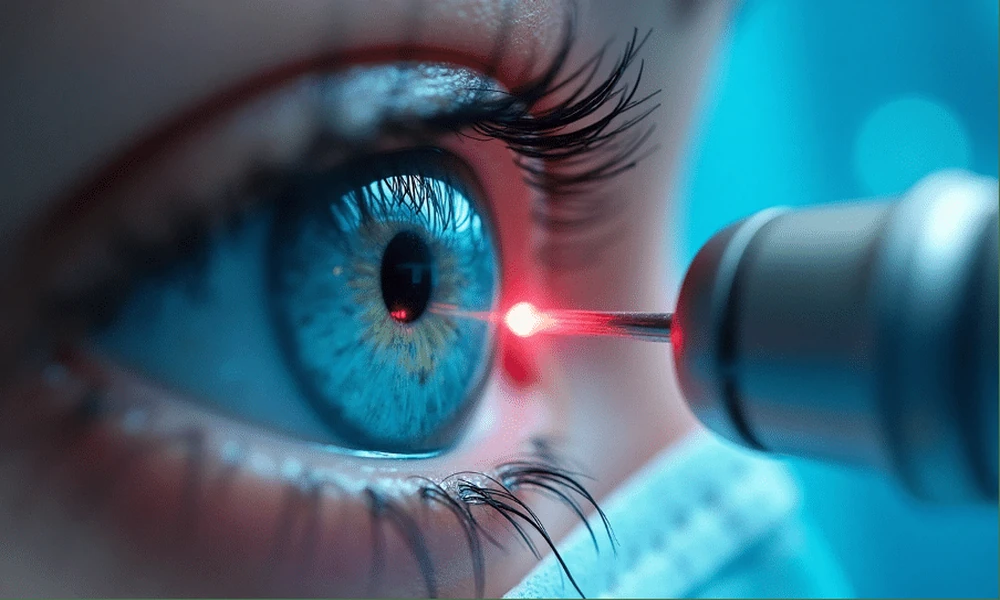
Clear vision without constantly reaching for eyeglasses or dealing with contact lenses can be appealing. For people with nearsightedness, farsightedness, or astigmatism, LASIK may be one of the options considered for correcting vision.
LASIK, or laser-assisted in situ keratomileusis, reshapes the cornea so that light entering the eye can focus more accurately. While the procedure has helped many patients reduce their dependence on glasses or contact lenses, it is still a surgical procedure. Understanding possible side effects, safety considerations, and proper recovery can help you make a more informed decision.
What Are the Common Side Effects of LASIK?
Some changes in vision and eye comfort can occur during the healing period. Many side effects improve as the eyes recover, but the experience can differ from one person to another.
Dry Eyes
Dryness is one of the commonly reported concerns following LASIK. You may notice burning, mild irritation, a gritty sensation, or fluctuating vision.
Your eye doctor may recommend lubricating eye drops or other treatments depending on the severity of the dryness. People who already experience dry eyes should inform their ophthalmologist during the consultation because LASIK can sometimes make existing dryness worse.
Glare, Halos, and Light Sensitivity
Bright lights may appear different during the early recovery period. Some people notice glare, halos around lights, starbursts, or increased sensitivity to light, particularly at night.
These visual changes often improve over time, although individual results vary. The possibility of persistent visual symptoms is one reason a complete eye examination is important before proceeding with surgery.
Blurry or Fluctuating Vision
Vision may be blurry immediately after surgery and may continue to fluctuate as the cornea heals. Your eyesight should not be judged solely by how clear things appear during the first few days.
The National Eye Institute notes that while patients can see after LASIK, the eyes may require around two to three months to finish healing and for vision to become more stable.
How Safe Is LASIK Surgery in the Philippines?
Safety should be one of your main priorities when considering lasik surgery Philippines providers. Rather than selecting a clinic based only on price or promotional packages, look at the qualifications of the eye surgeon, the quality of the screening process, the technology being used, and the follow-up care provided.
LASIK is not appropriate for everyone. Certain eye conditions and health factors can increase the possibility of complications. Conditions such as severe dry eye, keratoconus, some eye infections, cataracts, glaucoma, thin corneas, or other corneal problems may affect whether a patient is a suitable candidate.
A Detailed Eye Examination Matters
A proper LASIK assessment should involve more than simply checking your eyeglass prescription.
Your ophthalmologist may evaluate:
- Your current vision prescription
- Whether your prescription has remained stable
- Corneal shape and thickness
- Overall eye health
- Tear production and signs of dry eye
- Pupil size
- Other conditions that could affect healing or surgical results
The goal is not simply to determine whether LASIK can be performed. The more important question is whether the procedure is appropriate for your particular eyes.
Choosing a LASIK Philippines Provider
When comparing lasik Philippines clinics, avoid making your decision based on the lowest advertised cost alone. LASIK is an elective procedure involving your eyesight, so proper screening and medical expertise should take priority.
Questions to Ask During Your Consultation
Before scheduling the procedure, consider asking your eye doctor:
- Am I a suitable candidate for LASIK?
- Are there any conditions that increase my risk?
- What type of LASIK procedure is appropriate for my eyes?
- What side effects should I realistically expect?
- How frequently will I need follow-up examinations?
- What should I do if I experience unusual symptoms?
- Are there alternatives to LASIK that may be more appropriate for me?
A trustworthy consultation should give you enough information to understand both the potential benefits and the limitations of the procedure.
LASIK Recovery Tips
Proper care after surgery plays an important role in allowing the eyes to heal.
Follow Your Doctor’s Eye-Drop Schedule
Your surgeon may prescribe or recommend specific eye drops following the procedure. Use them exactly as instructed. Do not change the frequency or stop prescribed medication simply because your eyes already feel better.
Do Not Rub Your Eyes
Avoid rubbing or pressing your eyes, particularly during the early healing stage. The FDA specifically advises against rubbing the eyes after LASIK because doing so can disturb the corneal flap and may require additional treatment.
Arrange Transportation After Surgery
Do not plan to drive yourself home immediately after LASIK. Blurry vision, irritation, watering, and sensitivity to light may occur shortly after the procedure.
Arrange for someone to bring you home and follow your surgeon’s advice regarding when it is safe to begin driving again.
Protect Your Eyes
Your doctor may recommend protective eye shields, particularly while sleeping during the early recovery period. You should also follow instructions regarding swimming, strenuous exercise, makeup, dusty environments, and other activities that could expose healing eyes to irritation or contamination.
Attend Every Follow-Up Appointment
Even if your vision seems excellent, do not skip your follow-up examinations. These visits allow your eye doctor to evaluate healing, check your vision, and identify potential concerns before they become more serious.
The FDA advises patients to attend an initial follow-up shortly after surgery and continue with regular examinations according to their doctor’s schedule.
When Should You Contact Your Eye Doctor?
Mild irritation or temporary vision changes can occur during recovery, but symptoms should generally improve rather than become progressively worse.
Contact your eye doctor promptly if you experience severe pain, worsening vision, or symptoms that become more intense instead of improving. Do not simply wait for your next scheduled appointment when something feels seriously wrong.
Making an Informed Decision About LASIK
LASIK can reduce dependence on eyeglasses or contact lenses, but it should never be treated as a guaranteed route to perfect vision. Results vary, and some patients may still require glasses for certain activities or later in life. LASIK also does not prevent age-related changes in vision.
The best starting point is a comprehensive evaluation with a qualified ophthalmologist. Ask questions, discuss your expectations, understand the potential risks, and give yourself enough time to consider your options.
Good LASIK care begins well before the laser procedure itself. Thorough screening, an experienced eye care team, realistic expectations, and careful aftercare are all important parts of protecting your eyesight and achieving the best possible outcome.