

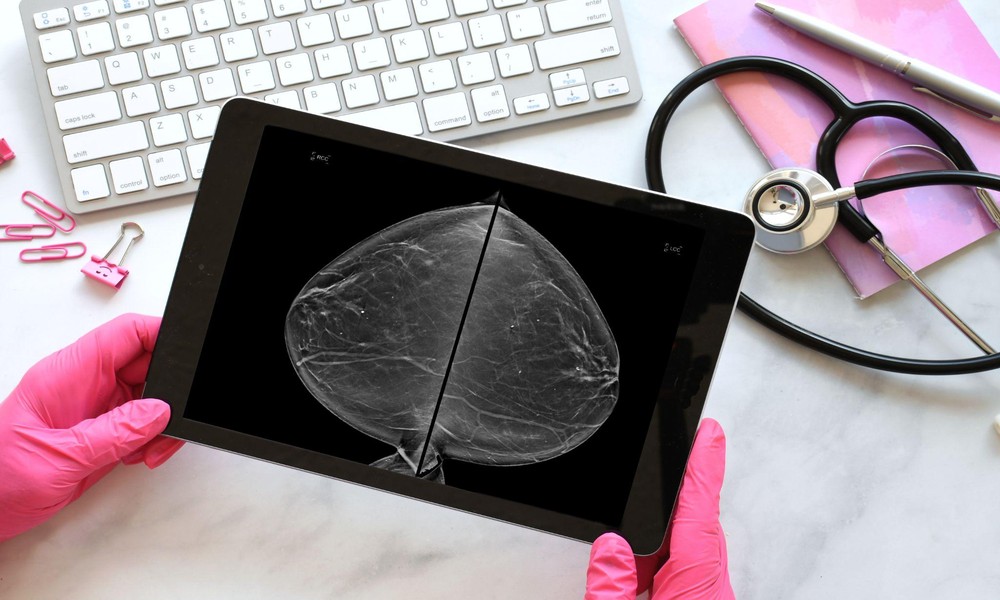
For decades, the annual mammogram has served as the benchmark for proactive women’s health. It has been the main way to protect against a disease that affects one in eight women. But right now, the medical field is going through a big change. We are leaving behind the “one-size-fits-all” way of doing things and moving toward personalized screening.
It’s not just about whether a patient had their mammogram anymore; it’s also about whether they are getting the right type of screening for their unique biological profile. As technology improves, the way we find breast cancer is changing. We are learning that using various tools to look deeper and more often is the best way to save more lives.
The Drawbacks of the Old Way
Mammography is still an important tool, but it does have some problems. For women with dense breast tissue, a standard 2D mammogram can be akin to searching for a snowball in a snowstorm. On an X-ray, both dense tissue and tumors look white. The result can cause missed diagnoses or unnecessary “false alarm” callbacks.
Experts now say that people with a high genetic risk or certain lifestyle factors may need more than just an annual X-ray. This realization has led to the development of additional screening technologies that give a more complete picture of breast health.
The Growth of 3D Mammography and More
Digital Breast Tomosynthesis (3D mammography) was the first big step forward in this evolution. 3D mammography takes several pictures of the breast from different angles and puts them together to make a layered, three-dimensional picture. This type of imaging is different from a 2D scan, which only shows a flat picture. This lets radiologists peel back the layers of tissue, which makes it much easier to find cancer and cuts down on the need for repeat tests.
But the change hasn’t stopped there. Breast MRI and molecular breast imaging (MBI) are becoming more common for women who are at higher risk. These technologies look at how cells work instead of just their structure. They find tumors by looking for changes in blood flow or metabolic activity.
The Change to Personalized Risk Assessment
The shift toward “risk-based screening” may be the most important change in the industry. Clinicians now use genetic testing and AI-driven risk models to make sure that each woman has a different plan starting at age 40. Women who carry the BRCA gene or have a strong family history may need to have MRIs and mammograms every six months, switching between the two.
The medical field is finally moving toward a proactive model of care instead of a reactive one because they know that everybody is different.
Expertly Navigating Your Journey
As the world of breast health changes, it’s more important than ever to have a partner who is always there for you. Technology gives us the tools, but it’s the specialized knowledge and caring advice that really help a patient along their journey.
Melanie Seah, a breast specialist, is at the front of this change. They use a unique, patient-first approach that goes beyond regular imaging. Their services aim to provide you with peace of mind and clarity. They achieve this by tailoring full breast health assessments to each individual. By putting clear communication and specialized clinical knowledge first, they make sure that no woman has to figure out her screening options on her own. Their dedication to excellence guarantees that you will get the best specialized care, whether you are looking for a second opinion or a personalized screening plan.
Get in charge of your health right now! Why opt for a standard check-up when you can benefit from a comprehensive plan for your breast health? Melanie Seah, a breast specialist, can give you the expert advice you need to feel confident about going through the complicated process of modern screening. Their commitment lies in providing you with the necessary knowledge and precise care, ranging from expert consultations to personalised risk management. Book your consultation now.