

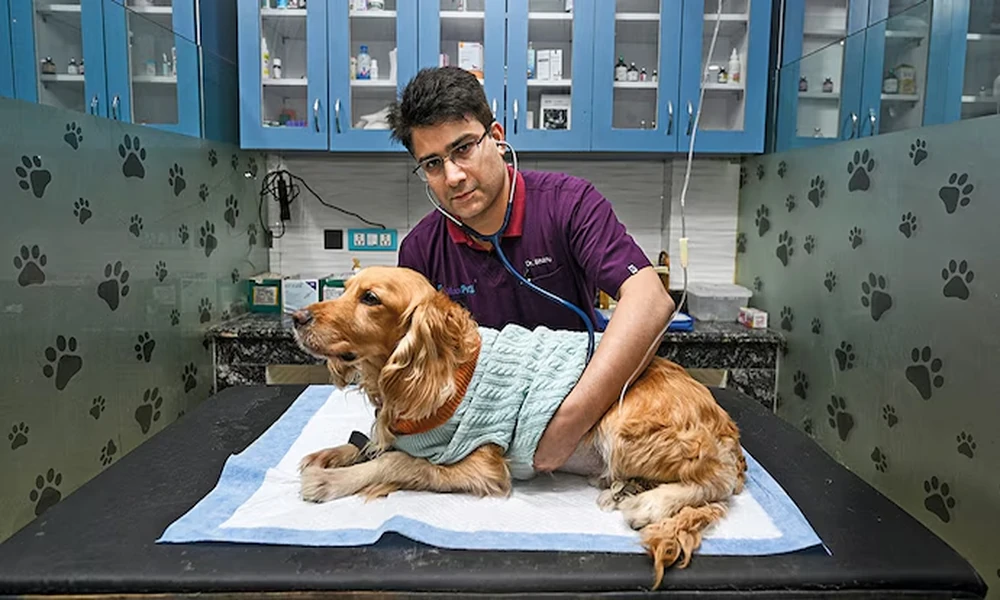
If your pet is in an animal hospital, you already know how fast worry can take over. You are trusting a team, a building, and a long list of machines to keep your animal safe when they are at their most fragile. That trust is not only about medicine, and every veterinarian in Grand Rapids, MI understands that. It is also about what happens when the power goes out, the network fails, the oxygen system stops, or a storm forces the hospital to shift into emergency mode.
The role of backup systems in protecting hospitalized animals is simple to understand and serious in practice. Sick, recovering, and critical patients depend on steady heat, light, oxygen support, refrigeration for medications, electronic records, and staff communication. When one system fails, another has to take over without delay. In a well-prepared animal hospital backup systems plan, that handoff is built in, tested, and clear to every staff member.
Backup systems protect more than equipment in an animal hospital
Hospitalized animals cannot explain that they are getting cold, struggling to breathe, or missing a dose because a monitor went dark. A healthy dog boarding overnight may tolerate a short disruption better than a cat recovering from surgery, a puppy in an incubator, or a horse under active treatment. The same outage can be inconvenient for one patient and dangerous for another.
That is why backup systems matter at several levels. Power generators keep ventilation, pumps, surgical lighting, and warming devices running. Battery backups bridge the gap during the first seconds or minutes of an outage. Redundant oxygen and medical gas supplies protect animals that need respiratory support. Backup internet or phone lines help staff reach owners, specialists, and emergency transport partners. Offsite record storage and printed downtime procedures keep treatment moving when software is unavailable.
Without those layers, a single failure can spread. A storm knocks out electricity. Refrigeration warms up. Medications and vaccines may lose stability. Electronic records become harder to access. Automatic doors or climate controls stop working. Staff lose time trying to improvise, and hospitalized animals feel that delay first.
Weak contingency planning raises medical and emotional costs
You may never see the backup generator or the paper treatment sheets, but their absence shows up quickly when something goes wrong. A short outage can turn into a scramble over hand ventilation, manual temperature checks, and trying to confirm drug doses from memory. That is not where any pet owner wants the care team to be.
The medical cost is obvious. Delayed fluids, missed monitoring alarms, unstable temperatures, and interrupted oxygen can worsen a patient’s condition. The financial cost follows. A preventable setback can mean more hospitalization, more testing, and more treatment. The emotional cost hits hardest. Owners are left wondering whether their animal suffered because the hospital was not ready for a predictable disruption.
Federal guidance reflects that risk. The USDA’s National Agricultural Library provides practical disaster planning resources for animals that show how planning protects animal welfare before a crisis starts. The USDA APHIS contingency planning rule also underscores the need for documented plans that address emergencies such as power failure, fire, and severe weather. For any hospital caring for vulnerable patients, those are not box-checking exercises. They are part of safe care.
Reliable veterinary hospital protection systems depend on redundancy
A single backup device is not enough. Strong protection comes from overlap. If a generator fails to start, critical equipment should still have battery support. If the internet drops, local copies of treatment plans or printed records should still be available. If one oxygen source is compromised, another should be ready. This is the real meaning of veterinary backup systems. They are not one machine in a utility room. They are a chain of protections designed so one problem does not become many.
Think about an older cat recovering from emergency surgery overnight. That patient may need heat support, pain medication, fluids, and close monitoring. A ten minute disruption in power sounds short until you picture a dark treatment area, silenced monitors, and staff moving from one animal to another by flashlight. Good systems prevent that scene. Better systems prepare for it anyway, with drills, checklists, and assigned roles.
Prepared hospitals build layers of protection for hospitalized animals
| System Area | Basic Setup | Stronger Backup Approach | Risk if Missing |
|---|---|---|---|
| Electrical power | Single utility source | Generator plus battery backup for critical devices | Loss of heat, light, pumps, monitors, and surgical support |
| Medical gas and oxygen | Primary line only | Reserve cylinders and clear switch-over procedures | Breathing support interruption for critical patients |
| Patient records | Cloud or local software only | Offline access, printed downtime forms, regular data backups | Medication errors, treatment delays, poor communication |
| Temperature control | Standard HVAC only | Emergency heating and cooling plans with room prioritization | Dangerous stress for neonates, exotics, and post-op animals |
| Communication | One phone or internet provider | Backup phones, contact trees, manual owner update procedures | Slower emergency response and owner notification |
Clear steps help you evaluate animal hospital safety backup planning
Ask how critical care is protected during outages. You do not need to ask for technical specs. Ask what happens if the power fails at 2 a.m., how oxygen dependent patients are protected, and whether critical equipment has battery support. A prepared hospital should answer clearly and calmly.
Look for a real contingency plan, not a vague promise. Good planning includes written procedures, staff training, and routine testing. If a hospital says they have a generator, that is only part of the answer. Equipment has to be maintained, tested under load, and tied to the systems that matter most.
Pay attention to communication standards. During any emergency, owners need timely updates. Ask how the hospital contacts families if phones or internet service are disrupted, and how treatment instructions are documented if electronic records go down. That answer tells you a lot about daily organization, not just disaster readiness.
Backup planning gives hospitalized animals a safer margin
No hospital can remove every risk. What it can do is reduce the chance that a predictable failure turns into a medical crisis. That margin matters when an animal is under anesthesia, in recovery, or fighting through a serious illness. You are not asking for perfection. You are asking whether the hospital has planned for the moments when things stop working the way they should.
If your pet needs inpatient care, choose an animal hospital that treats backup planning as part of treatment itself. The best time to ask those questions is before an emergency forces you to hand over your pet and hope for the best.