

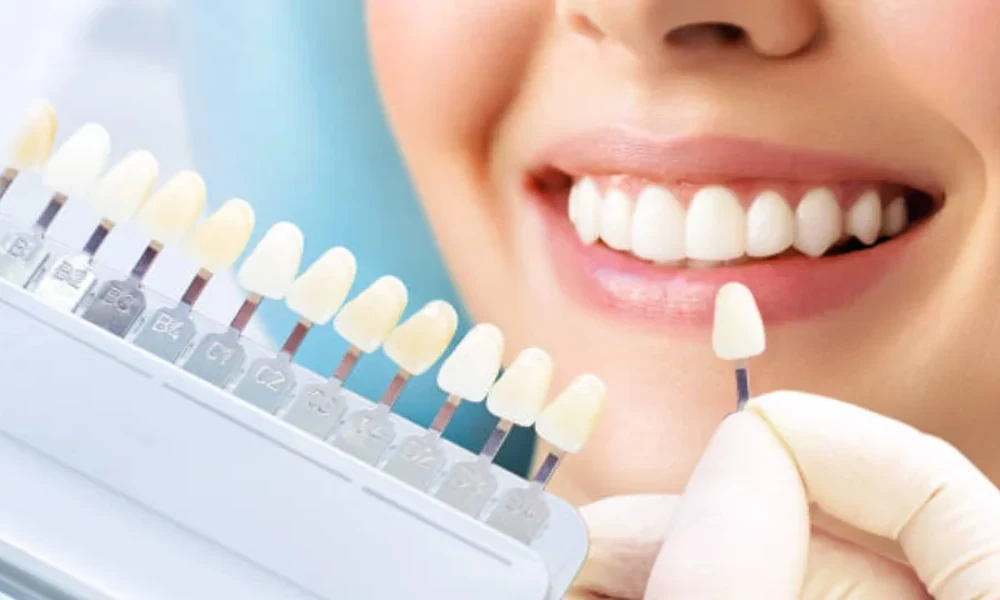
You might be thinking about whitening, veneers, or bonding because you want your smile to feel more like you again, and talking with a dentist in Calgary can help you understand your options. That makes sense. Cosmetic dental work can change how you look and how you carry yourself, but there is often a quiet worry underneath it all. What if you invest time and money into your smile, only to have problems show up later? That concern is real, and it is one of the biggest reasons preventive care matters first.
Here is the short version. 5 ways preventive dentistry improves the success of cosmetic treatments come down to this. Healthy gums support better results, early cavity care protects cosmetic work, clean teeth help materials bond well, bite issues can be caught before damage happens, and routine checkups help your new smile last longer. If you are considering care from a family and cosmetic dentist, prevention is not a side note. It is the base that helps cosmetic results look better and stay stable.
Why does preventive care matter before cosmetic dentistry?
It is easy to focus on the part you can see. Whiter teeth. Straighter edges. A more even smile. But cosmetic treatment works best when the parts you cannot see are healthy too. If plaque buildup, gum swelling, tooth decay, or grinding are already present, they can weaken the result before it has a fair chance to last.
Think about veneers placed on teeth with untreated decay, or whitening done while gum disease is causing bleeding and soreness. The cosmetic goal may still sound appealing, but the foundation is shaky. Because of that tension, you might wonder whether prevention really changes the outcome. In many cases, it does.
According to the National Institute of Dental and Craniofacial Research, oral health affects comfort, function, and quality of life across the lifespan. You can read more in the Oral Health in America report. Cosmetic improvements tend to hold up better when the mouth is already healthy enough to support them.
What are the 5 ways preventive dentistry supports cosmetic treatment success?
1. Healthy gums frame your smile. Even beautiful veneers or whitening can look less natural if your gums are inflamed, uneven, or receding. Preventive visits help catch gingivitis early, reduce swelling, and create a cleaner, healthier gumline before cosmetic work begins.
2. Early cavity treatment protects your investment. A small cavity under a tooth that is about to be bonded or restored can turn into a larger issue later. Catching decay early means your cosmetic treatment is built on strong enamel, not hidden damage.
3. Professional cleanings improve bonding and appearance. Surface stains, tartar, and plaque do more than dull your smile. They can also interfere with how well certain cosmetic materials attach. A clean surface gives whitening, bonding, and other esthetic dental treatments a better starting point.
4. Bite checks help prevent chips and wear. If you clench or grind at night, cosmetic work can break down faster. Preventive exams can reveal wear patterns, jaw tension, and bite imbalance before they damage new restorations.
5. Ongoing care helps results last. Cosmetic treatment is not usually a one time event that you can forget about. Routine exams and home care help maintain color, protect edges, and catch changes before they become costly repairs. The American Dental Association offers helpful guidance on home oral care that supports both daily health and cosmetic longevity.
What can happen if cosmetic work comes before preventive dental care?
This is where many people get stuck. You want the confidence boost now, and that is understandable. Still, skipping prevention can lead to setbacks that feel frustrating and expensive.
What if whitening makes already sensitive teeth feel worse because enamel is weak? What if a veneer hides a problem that keeps growing underneath? What if gum irritation changes the look of a once even smile line? These are not rare fears. They are common reasons dental teams recommend exams, X rays, and cleanings before cosmetic planning.
Preventive dental care before cosmetic procedures often saves money over time because it lowers the chance of redoing work too soon. It can also make your treatment plan more predictable, which matters when you are making decisions about appearance and budget at the same time.
How does preventive care compare to skipping ahead?
Sometimes it helps to see the difference clearly.
| Approach | Short Term Result | Long Term Impact |
|---|---|---|
| Preventive exam and cleaning before cosmetic treatment | May add an extra visit, but identifies gum issues, decay, and bite concerns early | Better cosmetic fit, stronger bonding, and a higher chance results will last |
| Whitening without checking sensitivity or decay | Faster path to a brighter smile | Greater risk of pain, uneven results, or delayed treatment of tooth problems |
| Veneers or bonding without gum evaluation | Immediate visual change | Inflamed or receding gums may affect appearance and comfort over time |
| Routine checkups after cosmetic treatment | Small maintenance effort | Earlier repairs, better stain control, and protection of your cosmetic investment |
If you want more patient friendly background on oral health and dental care, the ADA also shares resources through JADA patient education materials.
What can you do right now to protect your future smile?
Schedule a preventive evaluation first.
Before choosing a cosmetic option, ask for a full exam that includes gum health, cavity screening, and a bite review. This helps you understand whether the timing is right and what needs attention first.
Be honest about habits that affect your teeth.
If you grind, sip sugary drinks all day, skip flossing, or have dental anxiety, say so. These details are not there to judge you. They help shape a plan that protects both your oral health and your cosmetic result.
Build a maintenance routine you can keep.
The best smile plan is one you can live with. That may mean a softer toothbrush, fluoride products, a night guard, or more regular cleanings. Small habits often do more to protect cosmetic dentistry than people expect.
So where does that leave you if you want a better smile?
You do not have to choose between health and appearance. In fact, the strongest cosmetic outcomes usually depend on both. When prevention comes first, your smile is not just brighter or more even. It is also more stable, more comfortable, and more likely to last.
If you are thinking about cosmetic improvements, start with the basics and ask how preventive care can support your goals. A trusted family and cosmetic dentist can help you plan the next step with clarity, so your smile looks good and stays that way.