

You might be feeling torn between hope and worry right now. Maybe you look in the mirror and notice worn, broken, or missing teeth, and you can already picture how different life could feel after treatment. At the same time, the idea of rebuilding your smile can bring up hard questions about comfort, time, cost, and whether the result will truly feel like you. That tension is real. Before any good dentist in Alum Rock, San Jose, CA recommends treatment, they look at much more than the teeth you can see. They study your health, your bite, your bone, your goals, and the small details that shape a lasting result. In simple terms, a strong smile rebuild starts with careful planning, not guesswork.
Why does smile restoration start with more than the teeth you notice?
When people think about smile restoration, they often focus on the front teeth first, because that is what shows when you talk, laugh, or eat. But dentists know that appearance is only one part of the picture. If a cracked tooth sits next to gum disease, or if missing teeth have changed the way your bite closes, a cosmetic fix alone may not last. Because of this, planning usually starts with the foundation.
One of the first details dentists evaluate is your overall oral health. Healthy gums matter because they support every filling, crown, bridge, veneer, or implant that may come later. The National Institute on Aging shares practical guidance on taking care of your teeth and mouth, and that advice matters even more when major treatment is being considered.
The second detail is the condition of each tooth. A tooth that looks fine from the outside may have deep decay, an old filling that is failing, or a crack below the surface. So, where does that leave you? It means a dentist is not being overly cautious when they order X-rays or test a tooth. They are trying to protect you from doing work twice.
What 7 details do dentists evaluate before rebuilding a smile?
First, they assess gum health. Inflamed or infected gums can weaken treatment outcomes and raise the risk of tooth loss.
Second, they check the teeth themselves for decay, fractures, wear, and old dental work that may need to be replaced.
Third, they study your bite. If your teeth do not meet evenly, pressure can chip restorations, strain the jaw, and wear down natural enamel.
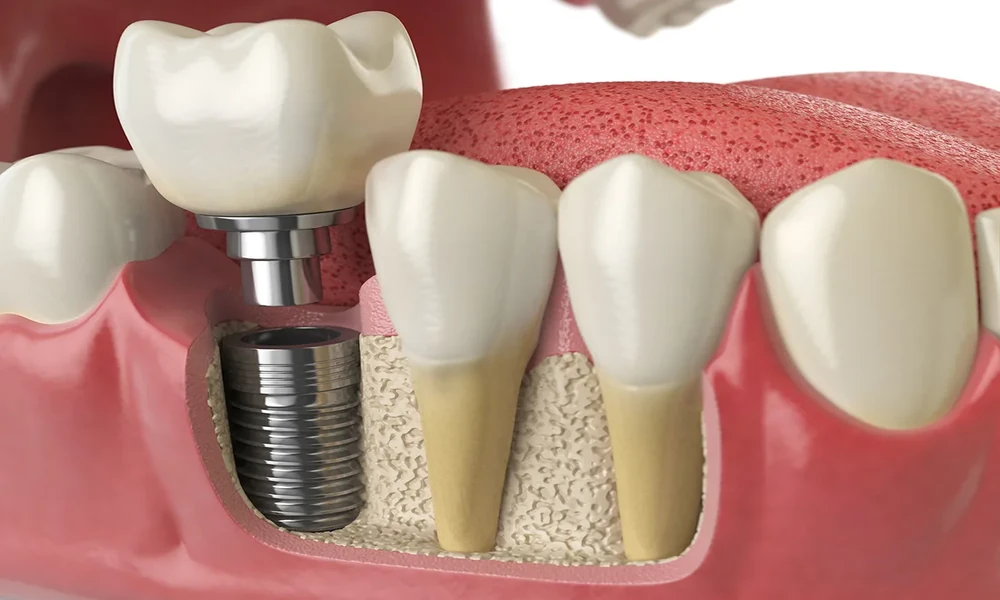
Fourth, they look at bone support. This is especially important if implants are part of the plan. According to the National Institute of Dental and Craniofacial Research, tooth loss data shows how common missing teeth can be, especially with age, and bone changes often follow tooth loss.
Fifth, they review your medical history. Diabetes, dry mouth, certain medicines, smoking, and immune conditions can all affect healing and long term success.
Sixth, they evaluate function and comfort. Can you chew well? Do you grind your teeth at night? Do you have jaw pain or headaches? These clues shape the kind of dental smile reconstruction that makes sense for you.
Seventh, they ask about your goals. Some people want a natural look that blends in quietly. Others want a brighter, fuller smile. A good plan respects both health needs and personal preferences.
How do dentists balance appearance, function, and long term cost?
This is where many people feel stuck. You may want fast results, but you also do not want to invest in treatment that fails early. Dentists often weigh immediate concerns against what your mouth will need years from now. A single crown may solve one problem today, but if several teeth are worn because of grinding, the larger issue still needs attention.
There is also a financial side. Restorative care can involve phases, which may actually make treatment more manageable. A dentist may first treat infection, then stabilize damaged teeth, and then move into cosmetic improvements. That approach can feel slower, but it often protects your budget from emergency fixes later.
Clinical guidance from the NCBI explains how oral conditions are examined and diagnosed in a broader health context, which helps show why oral assessment and diagnosis matter before major dental work begins.
Which practical factors matter most when comparing treatment paths?
Not every smile rebuild follows the same path. Some people need mostly cosmetic updates, while others need a mix of general, cosmetic, and restorative dentistry to rebuild strength and function. The table below can help you see how dentists compare common factors before making a recommendation.
| Evaluation Detail | Why It Matters | What It May Affect |
|---|---|---|
| Gum health | Unhealthy gums can shorten the life of dental work | Cleanings, gum treatment, timing of crowns or implants |
| Tooth strength | Weak or cracked teeth may not support cosmetic treatment alone | Fillings, crowns, root canal treatment, extractions |
| Bite alignment | Uneven pressure can damage restorations | Night guards, reshaping, orthodontic planning |
| Bone support | Missing teeth can lead to bone loss over time | Implants, grafting, bridge options |
| Medical history | Healing and infection risk vary by health condition | Treatment pace, medicine review, follow up care |
| Aesthetic goals | The right plan should fit your face and preferences | Shade, shape, materials, cosmetic design |
What can you do right now if you are thinking about rebuilding your smile?
1. Write down what is bothering you most. Is it pain, missing teeth, difficulty chewing, or the way your smile looks in photos? When you name your top concerns, your dentist can build a plan around what matters most to you.
2. Gather your health details before the visit. Bring a list of medicines, past dental work, and any symptoms like grinding, jaw soreness, or bleeding gums. Small details can change the safest and most effective treatment path.
3. Ask for a phased plan. If the full process feels overwhelming, ask which steps are urgent, which are optional, and which can wait. That simple question often brings clarity, both emotionally and financially.
What should you remember before moving forward with general, cosmetic, and restorative dentistry?
If you have been putting this off, you are not alone. Many people wait because they worry the process will be too big, too expensive, or too hard to understand. But a thoughtful smile rebuild is not about rushing into procedures. It is about understanding the 7 details dentists evaluate before rebuilding a smile, then creating a plan that protects your health, your comfort, and your confidence. When you are ready, schedule a consultation and ask for a clear explanation of your options in general, cosmetic, and restorative dentistry. A well planned path can help the after finally feel possible.