

You notice it at lunch, then again with dinner. Food feels easier to chew on one side, awkward on the other, and suddenly something as ordinary as biting into a sandwich starts to feel off. That can be unsettling. You may not have sharp pain, but your bite feels uneven, your jaw seems tired, or one tooth takes more pressure than it used to. When chewing feels different on each side, there is usually a reason, and an experienced dental team in Atlanta can often narrow it down faster than you might expect.
Sometimes the cause is simple, like a filling that sits a little high or a sore spot from clenching at night. Sometimes it points to a cracked tooth, gum problems, a missing tooth changing your bite, or jaw joint strain. If chewing feels uneven on one side, the goal is not to guess. The goal is to find out what changed, what is being overloaded, and what can be done before a small issue turns into a bigger one.
Uneven chewing often starts with a small change that shifts your bite
Your teeth, jaw joints, muscles, and gums work as a system. If one part is irritated or out of balance, the rest start compensating. You may chew on the opposite side without thinking because one tooth feels tender. You may wake up clenching and then feel like your molars do not meet the same way by morning. A crown, filling, or worn tooth can change how your bite lands, even if the change is slight.
This is why the problem can feel confusing. The side that feels “wrong” is not always the side causing the trouble. A cracked tooth on the right may make you shift to the left. Muscle tension on the left may make the right side feel like it hits harder. If your jaw clicks, locks, or aches, your dentist may also look for signs of temporomandibular disorders. The National Institute of Dental and Craniofacial Research explains TMD as a group of conditions affecting the jaw joints and muscles, and changes in how your bite feels can be part of that picture.
There is also the issue of timing. A problem that only shows up with crunchy foods can become a constant uneven bite if it is ignored. You may start chewing faster on one side, avoiding tougher foods, or getting headaches without connecting them to your teeth. That slow drift matters because repeated strain can irritate teeth, muscles, and joints over time.
A dentist checks more than just the tooth that feels off
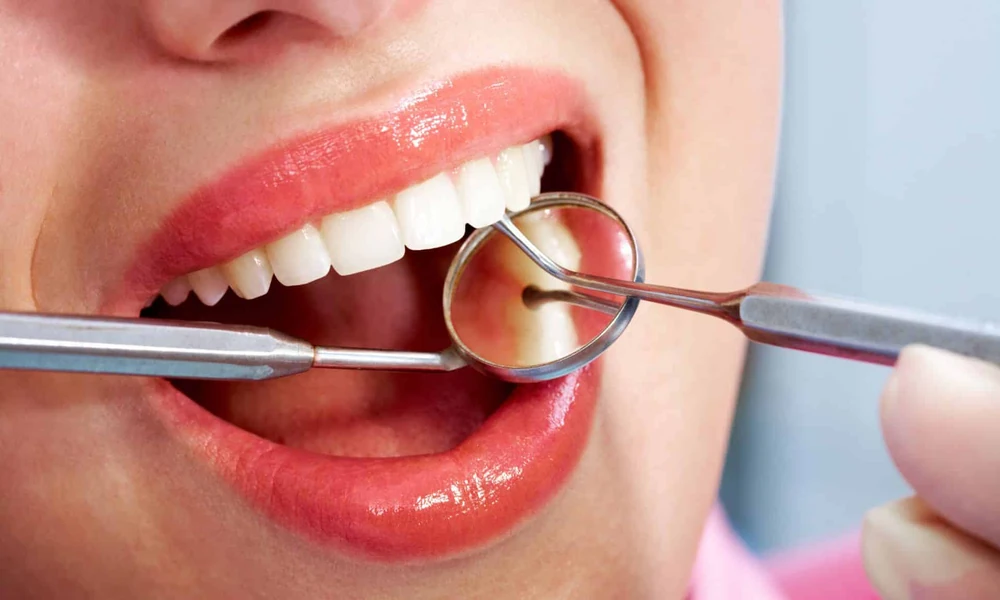
If you tell a dentist, “It feels weird when I chew on one side,” the exam usually goes beyond a quick look. They may check how your teeth come together, tap on specific teeth, test for sensitivity, look for worn edges from grinding, and examine the gums for inflammation or bone loss. They may also ask when you notice it most. Is it only when biting down? Only with cold foods? Worse in the morning? Better if you shift your jaw?
X rays can help spot decay under old dental work, infection near the root, bone loss, or cracks that are not visible right away. If a tooth has a fracture, pain may come and go, which makes it easy to second guess yourself. MedlinePlus outlines several common causes of tooth pain and bite discomfort, including decay, abscess, and damaged teeth. Even if you do not describe it as pain, pressure changes while chewing often fit the same pattern.
In some cases, the answer is not a single tooth. Missing teeth can shift how force is spread across your mouth. Worn enamel can flatten the bite. Gum disease can make teeth feel mobile or tender under pressure. A broad review from the NIDCR on oral health in America shows how common oral conditions can affect daily function, including eating and comfort.
Professional evaluation gives clearer answers than waiting or guessing
| What you notice | Common possible cause | What happens if you wait | What a dentist may do |
|---|---|---|---|
| One side feels higher when you bite | High filling, crown issue, shifted bite | Muscle strain, tooth soreness, more clenching | Bite adjustment, exam of dental work |
| Sharp pain on release when chewing | Cracked tooth | Crack can deepen, pain becomes constant | Imaging, bite test, restoration or crown |
| Dull pressure on one side | Gum inflammation, infection, grinding | Worsening tenderness, swelling, tooth damage | Periodontal exam, X rays, treatment plan |
| Jaw fatigue or clicking with uneven chewing | Jaw joint or muscle strain | More tension, headaches, limited opening | Joint and muscle exam, night guard discussion |
This is where uneven bite when chewing stops being a vague complaint and becomes something measurable. A dentist can identify whether the force is landing in the wrong place, whether a tooth is inflamed, or whether your jaw muscles are overworking to protect a sore area. That matters because home fixes usually do not solve the source. Chewing only on the “good” side, eating softer foods, or waiting for it to pass may reduce stress for a few days, but the imbalance often stays.
Three steps you can take right away
Pay attention to the pattern. Notice when the feeling shows up. Write down whether it happens with chewing, biting, waking up, cold foods, or certain textures. If one tooth feels tender, if your jaw clicks, or if headaches have become more common, include that too. Those details help a dentist narrow the cause faster.
Avoid testing the sore side. People often keep biting on the same spot to “check” if it still feels wrong. That can irritate a cracked or inflamed tooth even more. Eat softer foods for a day or two if needed, but do not rely on self diagnosis.
Schedule a dental exam before it escalates. A small bite issue is often easier and less expensive to address early. Whether the fix involves a simple adjustment, treatment for a damaged tooth, or a plan for restorative dentistry, early care usually protects more of the tooth and reduces the chance of ongoing jaw strain.
Getting answers can make eating feel normal again
If chewing feels different on each side, you are not imagining it, and you do not need to just live with it. Your mouth is telling you that something has shifted. General, cosmetic, and restorative dentistry can help identify whether the issue is your bite, a tooth, your gums, or your jaw joint, then guide the next step with a plan that fits the problem. If this has been nagging at you for days or weeks, schedule an exam and get a clear answer before the discomfort becomes your new normal.