

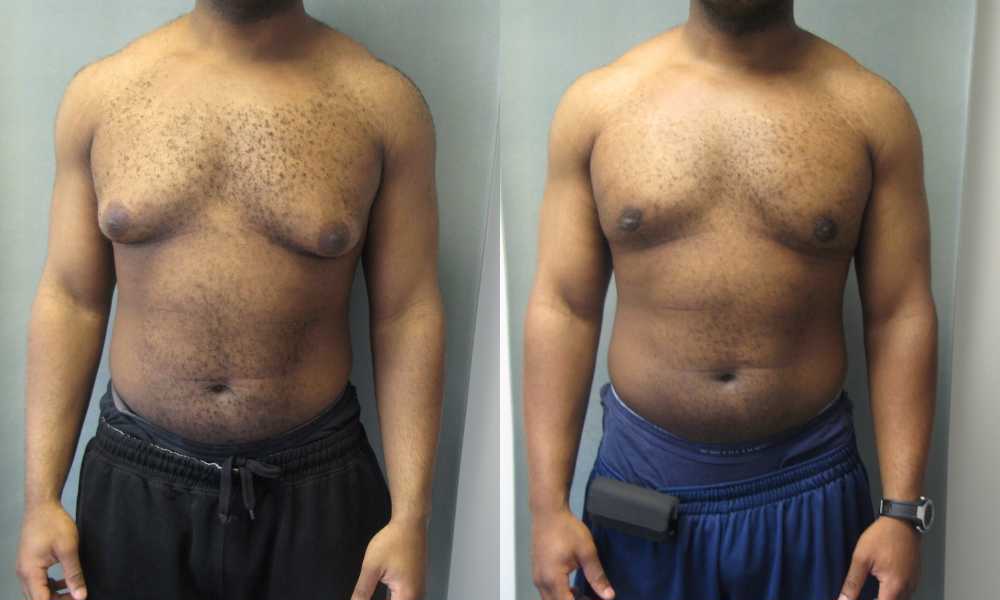
Many men feel self-conscious about having an enlarged chest or what’s often called “man boobs.” While this can be caused by either gynecomastia or chest fat, the two are very different conditions that require different treatments. Understanding the difference between them can help in choosing the right solution.
Gynecomastia or Chest Fat – How to Identify the Difference
1. Pain or Tenderness
Men with gynecomastia often feel soreness or tenderness in their chest area because the breast tissue grows under the skin. Whether you are considering Gynaecomastia Surgery in Mumbai or simply learning more about the condition, chest fat does not cause any pain or sensitivity since it is just fat, similar to what is found in other parts of the body.
2. Texture and Feel
Chest fat feels soft and squishy to the touch, much like the fat in the abdomen or arms. Gynecomastia, however, feels firmer or rubbery.
3. Appearance
Chest fat usually gives the chest a saggy or uneven appearance, while gynecomastia makes the chest appear more rounded and firm, similar to female breasts. In some cases, the nipples may stick out or look more raised due to the growth of glandular tissue.
4. Response to Exercise and Diet
One of the easiest ways to tell the difference is by monitoring how your chest changes when you lose weight. If the chest size reduces after diet and exercise, it is most likely due to fat
Causes of Gynecomastia
Gynecomastia can occur at any age and is mainly caused by hormonal changes. During puberty, fluctuating hormones can cause temporary breast tissue growth, which often resolves naturally. In older men, testosterone levels drop with age while estrogen levels increase, leading to the condition.
Causes of Chest Fat
Chest fat, also known as pseudo-gynecomastia, occurs when fat collects around the chest area. This usually happens due to an unhealthy diet, lack of exercise, or genetic factors that influence fat distribution.
Treatment Options
Gynecomastia Treatment
The most effective treatment for gynecomastia is male breast reduction surgery. The procedure involves removing the excess glandular tissue through small incisions, often placed around the nipples. It is done under anaesthesia and takes a few hours. Recovery usually takes a few weeks, after which the chest looks flatter and more sculpted.
Chest Fat Treatment
For chest fat, liposuction is commonly used. In this procedure, small incisions are made, and a thin tube called a cannula is inserted to remove the excess fat. It helps create a more toned and defined chest.
Combination Treatment
In some cases, men may have both excess fat and glandular tissue. When this happens, doctors may combine gynecomastia surgery and liposuction for the best results.
Conclusion
While both gynecomastia and chest fat can cause a similar appearance, understanding the difference is essential for proper treatment. If you notice firmness, pain, or no change after exercise, it is likely gynecomastia. However, if your chest reduces with weight loss, it’s probably chest fat. In either case, lifestyle improvements or medical treatments can help you achieve a flatter, more confident chest.