

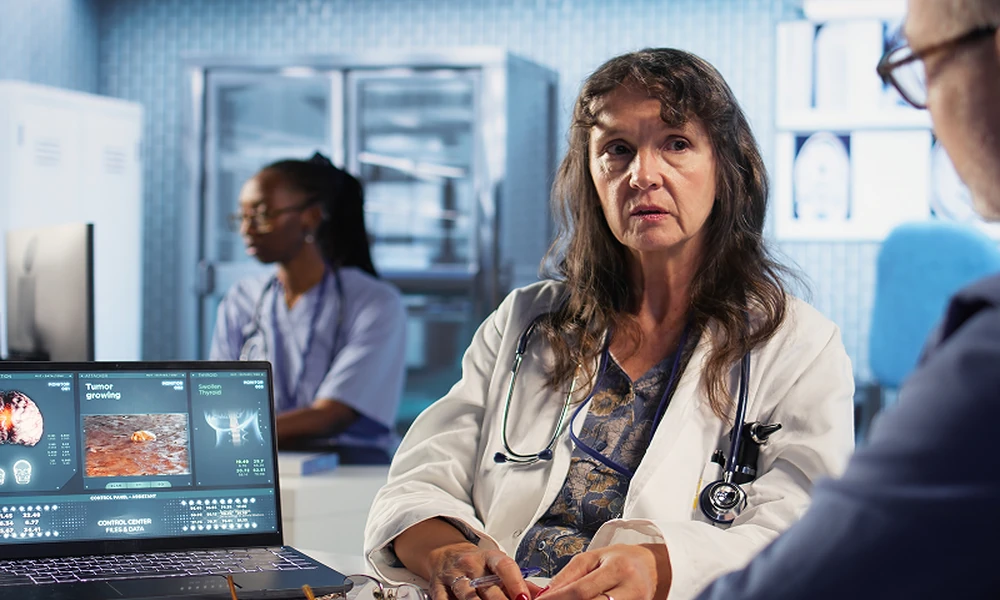
The Blueprint For Your Care
- Personalised care ensures that every patient’s treatment plan aligns with their specific tumour biology and overall health status.
- Advanced diagnostic techniques allow oncologists to map out precise strategies that target cancer cells while sparing healthy tissue.
- Multidisciplinary teams work together to adjust and refine treatment protocols as the patient’s condition evolves throughout their journey.
Beginning With Clarity
Receiving a lung cancer diagnosis can feel like the ground has shifted beneath your feet. You might be wondering, “Why isn’t there just one standard approach?” The answer, honestly, lies in the complexity of the human body. Every single patient is different, and so is their specific diagnosis. Providing effective lung cancer treatment in Singapore requires a deep understanding of these individual nuances. It isn’t just about fighting a disease; it is about treating a person. By tailoring plans to specific genetic markers, the stage of the cancer, and the patient’s lifestyle, specialists can significantly improve outcomes and quality of life. Let’s look at how this customisation happens behind the scenes.
Why Is A Personalised Approach Essential For Success?
You might think that all lung cancers are broadly the same, but that is rarely the case. Tumours have their own unique “fingerprints” at a molecular level. If we treat every case with the same hammer, we miss the precision needed for a truly effective outcome. When seeking cancer treatment in Singapore, the primary goal is finding the specific drivers behind the growth. Is it a particular protein? A genetic mutation? By answering these questions first, doctors can select therapies, whether they be targeted drugs, immunotherapy, or radiation, that actually hit the mark. It is much like finding the right key for a lock. Why waste time on methods that don’t fit when you can identify the exact tool for the job? This level of care shifts the focus from broad statistics to the individual sitting right in front of the doctor.
How Does Stage And Tumour Biology Influence The Plan?
It’s easy to get lost in the jargon, but the core logic is quite straightforward. Treatment plans are anchored to two big factors: how far the cancer has spread and what it’s made of. Early-stage diagnosis often leaves room for more localised options, such as precise radiation therapy, which can be remarkably effective at zapping small, stubborn areas. On the other hand, if the disease has advanced, the strategy naturally pivots to systemic approaches. Doctors must juggle these variables constantly. If a patient is robust, they might tolerate more aggressive combinations; if they are more fragile, the plan shifts toward maintaining comfort while managing the growth. It is a constant balancing act. You see, the art of lung cancer treatment in Singapore lies in this very flexibility, adjusting the intensity based on what the body can handle and what the tumour requires.
| Treatment Factor | Considerations | Impact on Planning |
|---|---|---|
| Tumour Stage | Size and spread of the cancer. | Determines if the approach is curative (localised) or palliative (systemic). |
| Genetic Markers | Specific mutations or protein expressions. | Guides the use of targeted therapies or immunotherapy. |
| Patient Health Status | Age, comorbidities, and physical resilience. | Influences treatment intensity and management of side effects. |
What Role Does The Multidisciplinary Team Play?
You might assume that one doctor makes all the calls, but that is rarely how it works. Modern oncology is a team sport. Imagine a huddle where a surgeon, a radiation specialist, and a medical oncologist are all looking at the same scans. They bring different perspectives to the table. One might notice a surgical opportunity, while another flags the potential for non-invasive radiation to reduce side effects. This collaboration is crucial. It stops the plan from becoming too narrow or one-dimensional. It ensures that the patient’s needs are met from every possible angle, not just the one that is most obvious. When you have multiple pairs of expert eyes on your file, the odds of catching a missed detail or identifying a better, less disruptive route increase significantly. It’s comforting to know you have an entire squad rooting for your best outcome.
How Does A Patient’s Overall Health Shape The Strategy?
Sometimes, the best treatment isn’t just about the cancer; it’s about the person carrying it. A patient’s existing conditions, their age, and their personal preferences all weave into the final decision. You can have the most advanced technology in the world, but if it doesn’t align with the patient’s lifestyle or physical resilience, it might not be the right path. Doctors have to ask: “What does success look like for this person?” For one patient, it might mean aggressive eradication; for another, it might mean balancing treatment with the ability to enjoy family time and daily activities. This is why open communication is so vital. It’s about building a partnership. By factoring in these personal elements, the plan becomes less of a rigid medical script and more of a supportive roadmap that respects the human experience alongside the clinical goal.
Your Future, Empowered
At the end of the day, tailored treatment is about dignity, precision, and hope. It moves oncology away from a “one-size-fits-all” model toward something that honours the unique biology and values of every patient. Whether it involves radiation or other innovative therapies, the focus always remains on achieving the best possible results while preserving what matters most to you. If you are exploring your options and need a specialist who prioritizes personalized, evidence-based care, reach out to Dr Johann Tang today to discuss your pathway to health.