

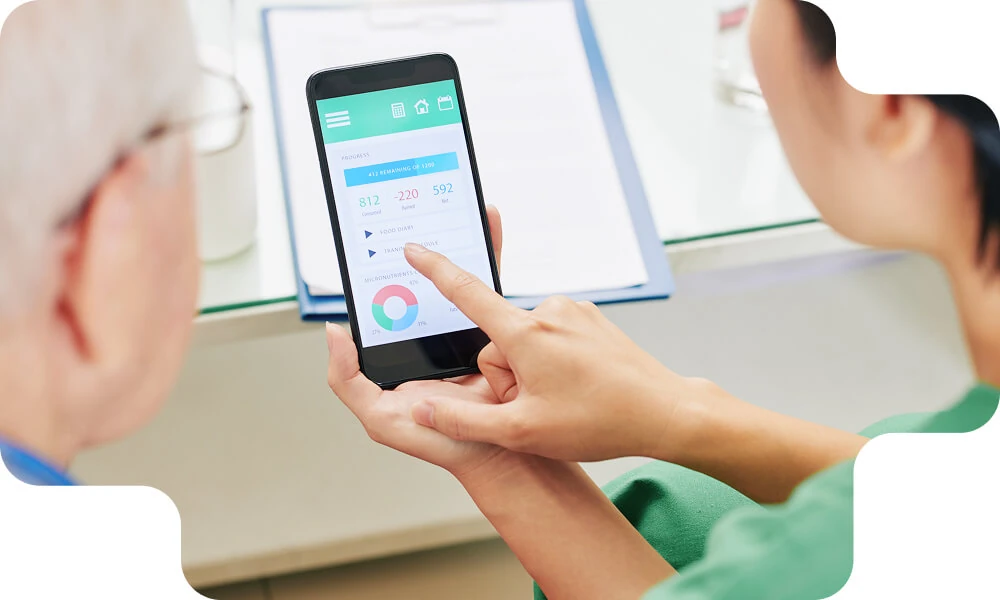
Chronic conditions don’t take breaks. Diabetes, hypertension, chronic kidney diseases, thyroid disorders, each one requires a level of daily follow-through that most people don’t fully account for when they’re first diagnosed. Missed refills, skipped follow-ups, delayed consultations, these aren’t just inconveniences; they’re the actual risk. For many Indians searching for ‘healthcare app India‘, the goal isn’t to try something new. It’s simply to make healthcare easier and remove everyday obstacles.
Why Does Chronic Care Become So Difficult to Manage?
The treatment plan usually isn’t the problem; the real challenge is following it consistently. Here’s what actually derails people:
- Running out of medication because reordering felt overwhelming
- Skipping a follow-up because booking a doctor’s appointment took too many steps
- Putting off specialist visits because coordinating timing and travel was too complicated
None of this feels dramatic at the moment, but over time, the constant effort of managing medicines, tracking appointments, following diet restrictions, and keeping up with routine checkups can quietly become difficult to manage alongside everyday life. That is often where chronic care routines begin to break down, not inside the clinic, but in the long gaps between appointments.
Medicine Delivery For Chronic Conditions:
People managing chronic conditions often need the same medicines every month for long periods of time. Missing refills or delaying orders can interrupt treatment and affect overall health. Medicine delivery services make this easier by helping patients get regular medications delivered to their doorstep on time. For older adults, working professionals, or people managing multiple prescriptions, this also removes the hassle of repeated pharmacy visits. Regular access to essential medicines helps patients stay more consistent with their treatment and daily care routines.
For people on recurring prescriptions, which includes most people managing chronic conditions, the subscription model is worth knowing about. These are some pointers that elaborate on it:
- Auto reminders tied to your refill cycle
- Adjustable frequency if dosage or timing changes
- Skip or pause options when needed
- Free to set up, no added cost for the feature
Insulin, blood pressure medication, thyroid medication, these aren’t things you want to run out of in the middle of a treatment cycle. A subscription-based service that allows you to reorder medicines and delivers them to you is just a smarter way of managing health.
A practical advantage of a medicine delivery service is having medicine orders, doctor consultations, and healthcare products managed through the same platform. Chronic condition care often involves repeated purchases and recurring appointments, which becomes harder to keep track of when spread across multiple apps or local providers. With HealthSy, users can manage prescriptions, consultation history, and routine healthcare needs in one place instead of juggling disconnected services.
The Ease Of Online Doctor Consultations:
Online doctor consultations make healthcare easier to access, especially for routine health concerns, follow-ups, and general medical advice. Instead of travelling to a clinic and waiting for an appointment, patients can speak to a doctor from home through video, audio, or chat. This is particularly useful for people with busy schedules, older adults, parents with young children, or anyone who finds frequent clinic visits difficult. It saves time, reduces unnecessary travel, and helps people seek medical guidance sooner instead of delaying care.
A medical consultation app that lets you pick a doctor, choose a time slot, and connect via audio, video, or chat is genuinely useful, especially for routine follow-ups where the doctor needs an update, not an examination. Through HealthSy, users can book video consultations with doctors, receive digital prescriptions after the session, and access follow-up visits so continuity of care doesn’t quietly disappear between appointments.
Another challenge that people managing chronic conditions face over a long period of time is keeping track of medical records, prescriptions, and test reports. Important documents often end up scattered across different clinics, labs, or phone galleries, which makes your next visit to a doctor hard to manage. However, when you have digital access to prescriptions, consultations, and diagnostic reports, it is much easier to stay organised and prepare for future consultations. It also makes it easier for family members or caregivers to assist with ongoing treatment when needed.
At Home Professional Care Service
Some stages of treatment and recovery are simply easier to manage at home. For older adults, people recovering after surgery, patients with limited mobility, or anyone dealing with a long-term health condition, regular travel to clinics and hospitals can become physically tiring and stressful. At home, professional care services help bridge that gap by bringing trained healthcare support directly to the patient.
For many families, home healthcare also provides peace of mind. Patients can receive support in a familiar environment while still getting the care they need during recovery or long-term treatment. Through HealthSy, users can access services like nursing care, physiotherapy, caretaker support, mental wellness support, and speech therapy from verified professionals.
Healthcare Products For Managing Chronic Conditions
Managing a chronic condition often requires more than regular medicines and doctor consultations. Many patients also depend on healthcare products like blood glucose monitors, blood pressure machines, wound care supplies, mobility aids, and nutritional supplements as part of their daily care routine. These are not one-time purchases either. Glucose test strips need regular replacement, recovery support products may become necessary after a procedure, and monitoring devices are used repeatedly over long periods of time. Having easy access to these essentials can make ongoing care simpler for both patients and families. It also encourages people to stay more consistent with managing their health at home. When monitoring tools and support products are easily available, patients are more likely to track their condition regularly instead of waiting for symptoms to become serious.
Conclusion:
A healthcare app doesn’t replace your doctor, your treatment plan, or your specialist network. What it does is make following through on all of those things significantly easier on any given day. Whether you need to book doctor’s appointment, reorder medicines, speak to a specialist from home, or arrange care services for a family member, having everything in one place makes healthcare easier to manage. For people dealing with ongoing health needs, that convenience can make a real difference in staying consistent with treatment and care.