

A surprising number of adults in the Mini-Cassia area have not seen a dentist in years, and the reason most often given is not cost or distance. It is fear. Dental anxiety is one of the most common medical phobias in the country, and the consequences for rural patients who avoid care because of it are real: small problems that could have been handled with a simple filling become root canals, root canals become extractions, and extractions sometimes become removable dentures or implants that would never have been necessary if the patient had been comfortable enough to come in five years earlier. Seasons Dental in Burley, Idaho has built a meaningful part of its practice around helping anxious patients get the care they need, and the sedation dentistry options available at the practice are a central part of how Drs. Chad and Ty Bodily make that possible.
This post covers what dental sedation actually does, the three specific options Seasons Dental offers, and how sedation dentistry fits into the practical reality of getting dental work done in a rural community where patients often drive 30 to 60 minutes to reach the office.
The Three Sedation Options Available at Seasons Dental
Sedation dentistry is not a single technique. It is a category of options that range from very mild to deeply relaxing, and the right choice depends on the patient’s level of anxiety, the procedure being performed, and the patient’s medical history.
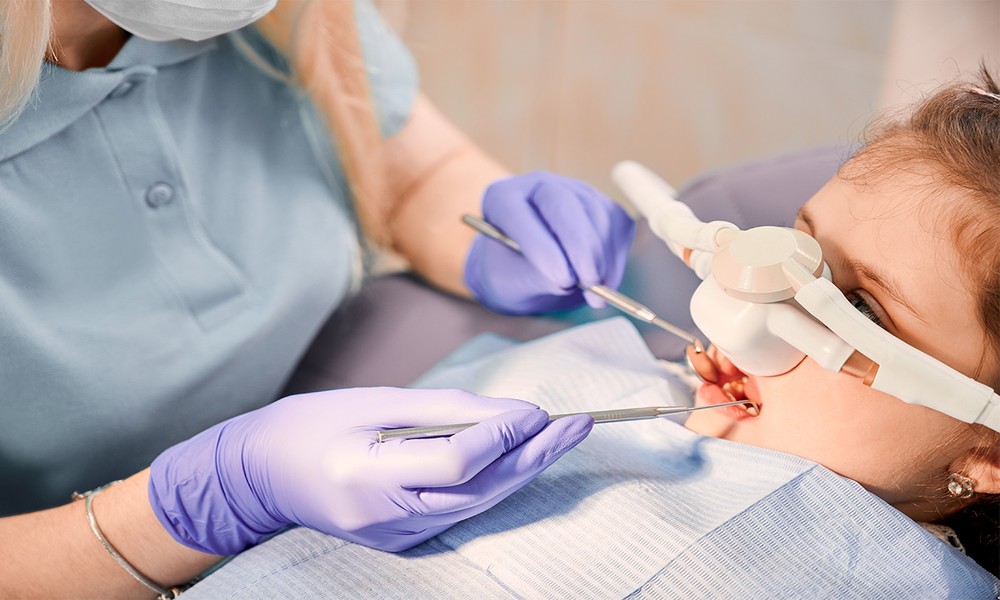
Nitrous oxide, sometimes called laughing gas, is the lightest sedation option. The patient breathes a mixture of nitrous oxide and oxygen through a small mask placed over the nose, feels the calming effect within a few minutes, and remains fully awake and able to respond throughout the procedure. The effect wears off within minutes after the mask is removed, and patients can drive themselves home and return to normal activities immediately. Nitrous oxide is well-suited to patients with mild dental anxiety, patients getting routine cleanings or single fillings, and children who need a calm experience for restorative work.
Oral conscious sedation involves taking a prescribed medication (typically a benzodiazepine like triazolam) about an hour before the appointment. The patient feels deeply relaxed and may be drowsy during the procedure, with limited memory of the appointment afterward. Oral sedation requires a friend or family member to drive the patient to and from the appointment because the medication’s effects last several hours. The option fits patients with moderate to significant anxiety, patients who need extensive work in a single visit, and patients who want to be more relaxed than nitrous oxide alone provides without the deeper effect of IV sedation.
IV sedation provides the deepest level of conscious sedation available in a general dental office. Medications are administered intravenously and produce a state of deep relaxation in which the patient may not remember the procedure at all. Patients are still conscious and can respond to the dentist’s instructions, but the experience feels almost like the procedure happened in a brief moment rather than over the actual time it took. IV sedation requires a driver and a recovery period at home, and it fits patients with severe dental anxiety, patients undergoing complex procedures like multiple extractions or implant placement, and patients who have specifically requested deeper sedation based on prior dental experience.
Why Sedation Matters Specifically for Mini-Cassia Patients
Sedation dentistry has practical advantages that go beyond just managing anxiety, and several of them matter particularly for patients in the rural communities surrounding Burley.
The driving distance reality. Patients coming to Seasons Dental from Malta, Oakley, Raft River, Murtaugh, Acequia, or Minidoka are often making a 30 to 60 minute trip each way for an appointment. Combining multiple procedures into a single sedation visit reduces the total number of trips needed to complete dental work that would otherwise require three or four appointments. A patient who needs four fillings and a crown can have the whole treatment plan done in one visit under sedation, rather than spread across separate appointments over months.
The agricultural and shift-work schedules common in the Mini-Cassia area. Farmers during planting and harvest seasons, ranch hands, food processing workers, and others on demanding schedules often have very limited windows when they can take time off for dental work. A single longer sedation appointment fits this reality better than multiple shorter visits.
The “I haven’t been in years” patient. Patients who have avoided the dentist for five, ten, or fifteen years often need substantial work to catch up, and the prospect of confronting all of it across many appointments is exactly what kept them away in the first place. Sedation makes it possible to address the accumulated work in a manageable number of visits without the dread that would otherwise prevent the patient from following through.
Pediatric care for children with significant anxiety or extensive treatment needs. Some children handle dental work easily with the standard child-friendly approach. Others, particularly those who have had a difficult experience or who need significant work like multiple cavities, benefit substantially from sedation. The Bodily brothers, both fathers themselves, understand the family decision involved in considering sedation for a child and explain the options thoroughly during the consultation.
Safety and the Decision-Making Process
Sedation dentistry is safe when performed by trained providers using appropriate monitoring, but the safety framework is not automatic. It depends on the dentist’s training, the equipment available in the office, and the screening process used to identify any patient-specific factors that affect sedation choice.
Dr. Chad Bodily is licensed in sedation dentistry and the practice maintains the equipment and protocols required for safe administration of all three sedation options. The pre-sedation consultation reviews the patient’s medical history, current medications, and previous experiences with sedation to identify the appropriate option and any specific considerations.
Patients with certain medical conditions (advanced cardiovascular disease, severe sleep apnea, certain medication interactions) may need adjusted sedation approaches or referral to a specialist for the most complex cases. The honest conversation about whether a particular sedation option is right for a particular patient is part of how the practice handles the decision.
How to Decide Whether Sedation Is Right for You
A reasonable starting point for anyone considering sedation dentistry is an honest conversation with the practice about the specific dental work needed, the level of anxiety involved, and the practical constraints around scheduling and recovery. The right sedation option for a patient getting a routine cleaning who feels generally nervous is different from the right option for a patient who has avoided the dentist for a decade and needs substantial restorative work.
For patients who have been putting off dental work because of fear, the conversation about sedation often turns out to be the breakthrough that allows them to finally get the care they need. The combination of an anxious patient, a sympathetic dental team, and the right sedation option can transform what would have been a years-long pattern of avoidance into a manageable treatment plan completed in a few comfortable visits.
Booking Your Visit at Seasons Dental
Seasons Dental in Burley serves patients from across the Mini-Cassia area, including Rupert, Heyburn, Hansen, Paul, Oakley, Declo, Malta, Raft River, Deary, Richfield, Jackson, Acequia, Minidoka, and Murtaugh. The practice is located at 425 N. Overland Avenue in Burley, and the office welcomes patients who have been away from dental care for years as warmly as those coming in for routine cleanings. Drs. Chad and Ty Bodily can be reached at (208) 679-5888 to discuss whether sedation dentistry might be the right approach for your specific situation. The conversation is free, the consultation is comfortable, and the path toward the dental care you have been putting off is closer than it probably feels right now.