

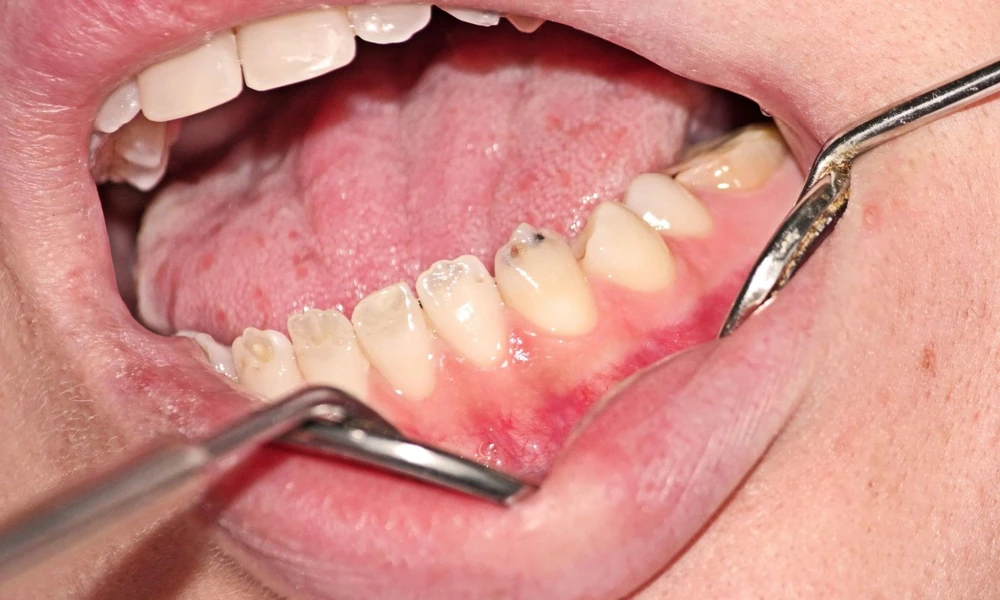
You press on a tooth, bite down, or tap near the gumline, and something feels off. The tooth looks normal. No chip, no swelling you can see, no dark spot staring back at you. That mismatch is what makes it stressful. Pain without a clear cause can make you second guess yourself, and it can be hard to tell whether you should wait, rinse, or call a general dentist right away. If you are also exploring orthodontic options, such as Invisalign aligners in Orange Lake, that uncertainty can feel even more frustrating.
Tenderness around a tooth with no visible damage is common, and it does not mean the problem is minor. A tooth can hurt because of a cracked root, an irritated ligament, grinding, gum inflammation, a bite that hits too hard, sinus pressure, or nerve irritation that has not changed the tooth’s appearance yet. How dentists evaluate tooth tenderness usually involves a mix of questions, hands on testing, imaging, and ruling out nearby causes that can mimic tooth pain.
Hidden dental problems often cause tenderness before damage shows
You might notice the pain only when chewing on one side, or when cold water hits a certain spot, or when you wake up with a sore tooth that looked fine the night before. That pattern matters. Dentists start with your story because timing, triggers, and the type of pain often narrow the list fast. Sharp pain on release after biting can point toward a crack. A dull ache with pressure can suggest inflammation in the ligament around the tooth. Tenderness near the gum may come from food packed between teeth, early gum infection, or trauma from brushing too hard.
A dentist checking sore tooth symptoms will also look beyond the tooth itself. Sinus congestion can create pressure in upper back teeth. Clenching can inflame the tissues that support a tooth, even when the enamel looks untouched. Referred pain can make one tooth feel guilty when the real source is another tooth nearby.
This is where people often get stuck. If there is no visible cavity, it is easy to assume the pain will fade. Sometimes it does. Sometimes the delay turns a small crack or irritated nerve into a deeper problem that needs more treatment and more money. Pain is not always dramatic when it starts. It can be quiet, inconsistent, and still worth attention.
The exam for tenderness around a tooth with no visible damage is methodical
A general dentist usually begins with a visual exam, checking the enamel, gumline, old fillings, bite wear, recession, and signs of grinding. Then come simple tests. Tapping the tooth helps show whether the tissues around the root are inflamed. Biting tests can reveal pain from a crack that does not show on the surface. Cold testing helps measure how the nerve responds. Gentle probing around the gums checks for pockets, trapped debris, and isolated deep areas that sometimes suggest a fracture.
X rays are often part of the process, but they do not catch everything. A tiny crack may not appear. Early inflammation may not be obvious yet. That does not make the exam guesswork. It means the dentist combines test results with your symptoms to form a working diagnosis. In some cases, they may adjust a high bite, place a temporary protective restoration, recommend a night guard evaluation, or monitor the tooth over time to see whether the pattern changes.
Assessing tooth pain without visible damage also means identifying red flags. Spontaneous throbbing, swelling, fever, pain that keeps you awake, or tenderness that gets worse fast can point to an infection or nerve problem that needs prompt care. If pain control is needed, dentists often follow evidence based guidance such as the American Dental Association pain management guideline.
Home observation and professional evaluation are not equal
| What You Notice at Home | What It Might Mean | What a General Dentist Checks |
|---|---|---|
| Pain when biting | Crack, high bite, ligament inflammation | Bite test, tap test, occlusion check, X rays |
| Cold sensitivity that lingers | Nerve irritation, decay under a filling, exposed root | Cold test, exam for decay, gum recession review |
| Sore gum near one tooth | Food impaction, gum infection, brushing trauma | Periodontal probing, visual exam, cleaning needs |
| Morning tenderness | Clenching or grinding during sleep | Wear pattern review, muscle exam, bite analysis |
| Upper tooth pressure with congestion | Sinus related pain | Symptom history, percussion pattern, imaging if needed |
At home, you can track patterns, avoid chewing on the sore side, and keep the area clean. What you cannot do is test the pulp response, measure gum pockets accurately, or tell the difference between a tiny crack and a strained ligament. That difference matters because the treatment path is not the same.
If you are tempted to self treat with leftover antibiotics or repeated pain medicine, pause. Tooth pain has many causes, and antibiotics do not fix most of them. For basic public guidance on toothaches and warning signs, MedlinePlus has a helpful overview on toothache symptoms and care.
Three steps you can take right now
1. Track the pattern with detail. Note whether the tenderness happens with biting, cold, sweets, pressure on the gum, or at random. Write down when it started and whether it is getting stronger. That information helps the dentist sort out nerve pain, bite trauma, and gum issues faster.
2. Reduce stress on the tooth. Chew on the other side, avoid hard foods, and skip extreme hot or cold drinks for a day or two. Keep brushing gently and floss carefully unless flossing causes sharp pain or gets stuck in one area, which can be useful information to report.
3. Schedule an exam if the pain lasts, returns, or escalates. Tenderness that repeats is a message. Even if the tooth looks normal, a general dentist can check for cracks, bite problems, hidden decay, gum inflammation, and nerve changes before they become harder to treat.
Early evaluation often keeps a small problem from becoming a larger one
You are not overreacting if a tooth feels tender and you cannot see why. That kind of pain is real, and it often starts before visible damage appears. The good news is that dentists have a structured way to sort through the possibilities and pinpoint what is going on. If the soreness is lingering, getting worse, or changing how you eat and sleep, contact a general dentist and get it checked soon.