

A new crown can look perfect and still feel wrong. If it sits even a fraction of a millimetre too high, you may notice it every time you chew, and that small difference can lead to sore teeth, jaw tension, or repeat visits for adjustments. That is why bite accuracy is one of the most important details in restoration design.
Your bite is more than the meeting point of two teeth. It is a moving system, with the upper and lower teeth touching in different ways as you close, chew, and slide your jaw. A restoration has to work with all of those movements, not just with a single frozen position.
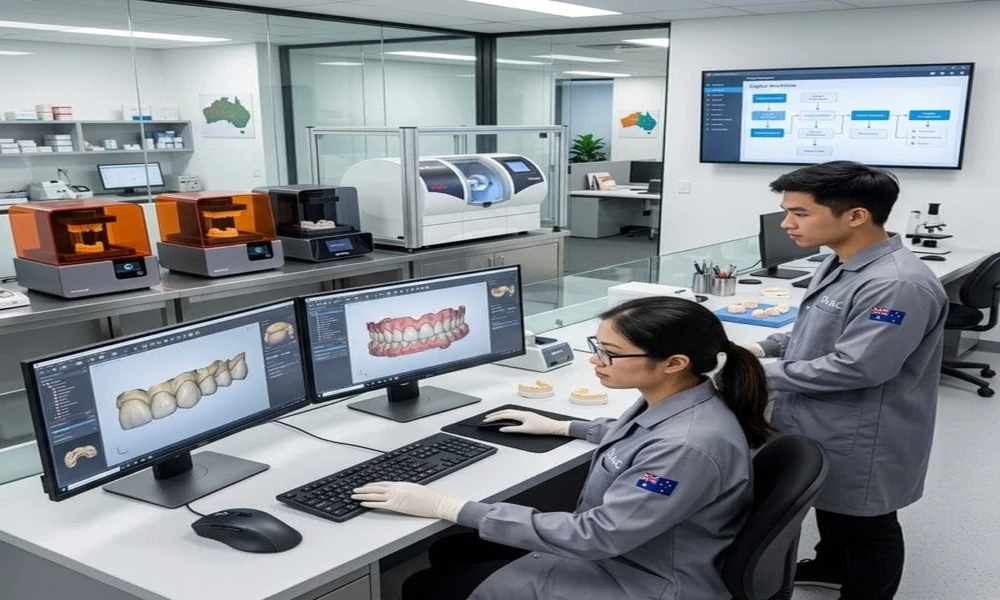
Digital tools have made this far easier to manage. A modern scan captures how your teeth meet, and design software can display the contact points between the crown and the opposing teeth as a color map. The designer can see instantly where pressure would be too heavy and reshape the surface before anything is made.
This is where an experienced 3d dental lab team can make a real difference. Reviewing occlusion on screen, checking that the crown’s height and cusps line up with the neighboring teeth, and flagging scans that don’t clearly show the bite are all routine parts of the design step, and they help prevent problems that would otherwise only appear once the crown is in your mouth.
The dentist still plays the deciding role. A clear scan of the bite, taken carefully, gives the designer what they need, and the final fit is always confirmed in the chair. But good design upstream means fewer surprises there.
If a new crown ever feels high or uncomfortable, mention it to your dentist promptly rather than waiting for it to settle. Small bite adjustments are quick and simple, and catching them early protects both the crown and the tooth underneath.