

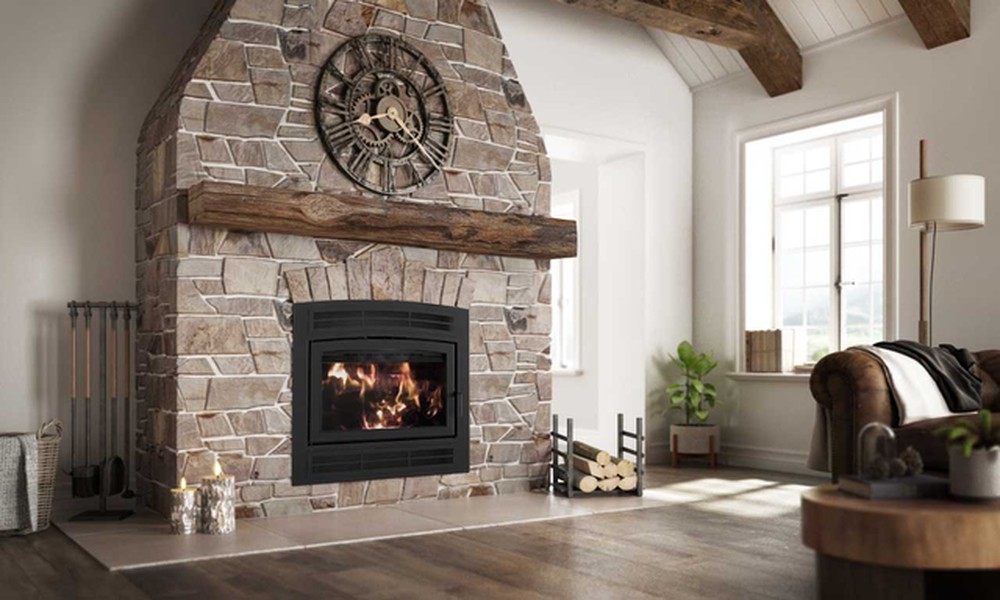
Fireplaces bring a sense of comfort to homes across Wisconsin, where winters stretch long and cold. A well-installed unit not only heats a space but also becomes a focal point for gatherings. Homeowners often overlook the nuances of fireplace installation in Wisconsin, from selecting materials to navigating local codes. With over 30 years of experience, Copycat Hearth & Home in Webster helps guide these decisions, ensuring installations suit the region’s demanding weather.
Different fireplaces demand varied approaches during setup. Gas models, like those from Heat & Glo®, connect to existing lines and vent through walls or roofs, making them quicker to install than wood-burning options. Wood fireplaces require sturdy chimneys and hearths to handle ash and smoke, often involving more structural work.
Electric fireplaces stand out for their simplicity. They plug into standard outlets and mimic flames without real fire, ideal for apartments or additions where venting isn’t feasible. Pellet stoves, another popular choice, use compressed fuel and need electricity plus a vent pipe, balancing efficiency with moderate installation effort.
Outdoor fireplaces extend living spaces into backyards. Models from brands like Outdoor Lifestyles® can be wood or gas, built with weather-resistant materials to withstand Wisconsin’s freeze-thaw cycles. Installation here focuses on stable foundations to prevent shifting soil from cracking the structure.
Planning Your Fireplace Installation
Start by assessing the home’s layout. Measure the intended area, considering clearances for safety and airflow. In older Wisconsin houses, check for existing chimneys that might need lining or repairs before proceeding.
Consult professionals early. An on-site visit reveals potential issues, such as electrical upgrades for electric units or gas line extensions. Copycat Hearth & Home offers these consultations, drawing on their knowledge of local building requirements to avoid delays.
Factor in energy needs. Wisconsin’s heating season pushes for efficient models that reduce utility bills. Look at EPA-certified stoves from Quadra-Fire® or Harman®, which burn cleaner and require less frequent tending.
Budget plays a key role, too. Costs vary by type-electric installations might run lower due to minimal modifications, while custom masonry for wood fireplaces adds expense. Include permits, which differ by county but often mandate inspections for venting and safety.
The Fireplace Installation Process Step by Step
Once plans solidify, the work begins. Technicians first prepare the site, removing old units if replacing and reinforcing floors for heavier models like cast-iron stoves from Vermont Castings®.
Venting comes next. For gas and pellet options, installers run pipes through walls or up chimneys, sealing joints to prevent leaks. Wood setups involve building or modifying flues, sometimes adding dampers for better control.
The unit itself gets positioned and secured. Connections follow-gas lines tested for pressure, electrical wiring checked for codes. Outdoor installations might include pouring concrete pads or assembling modular components like those in Astria® gas log sets.
Final testing ensures everything operates safely. This includes lighting pilots, adjusting flames, and verifying carbon monoxide detectors. The process typically spans a day for simpler jobs but can extend over several days for complex builds.
Post-Installation Care and Common Pitfalls
After setup, regular maintenance keeps the fireplace reliable. Clean chimneys annually to avoid creosote buildup, especially with wood models in high-use Wisconsin winters. Gas units need burner inspections to maintain efficiency.
Watch for signs of wear. Cracked liners or faulty valves signal repair needs. Copycat Hearth & Home provides these services, handling most brands with their expert team.
Avoid rushing the process. Skipping consultations leads to mismatched units or code violations. Overlooking insulation around vents can cause heat loss, undermining the installation’s benefits.
Homeowners sometimes underestimate ongoing costs. Fuel for pellets or wood adds up, while electric models draw on power bills. Choosing wisely upfront minimizes surprises.
Fireplace installation transforms a house into a warmer retreat, particularly in Wisconsin’s variable climate. From initial choices to final tweaks, attention to detail pays off in comfort and safety.