

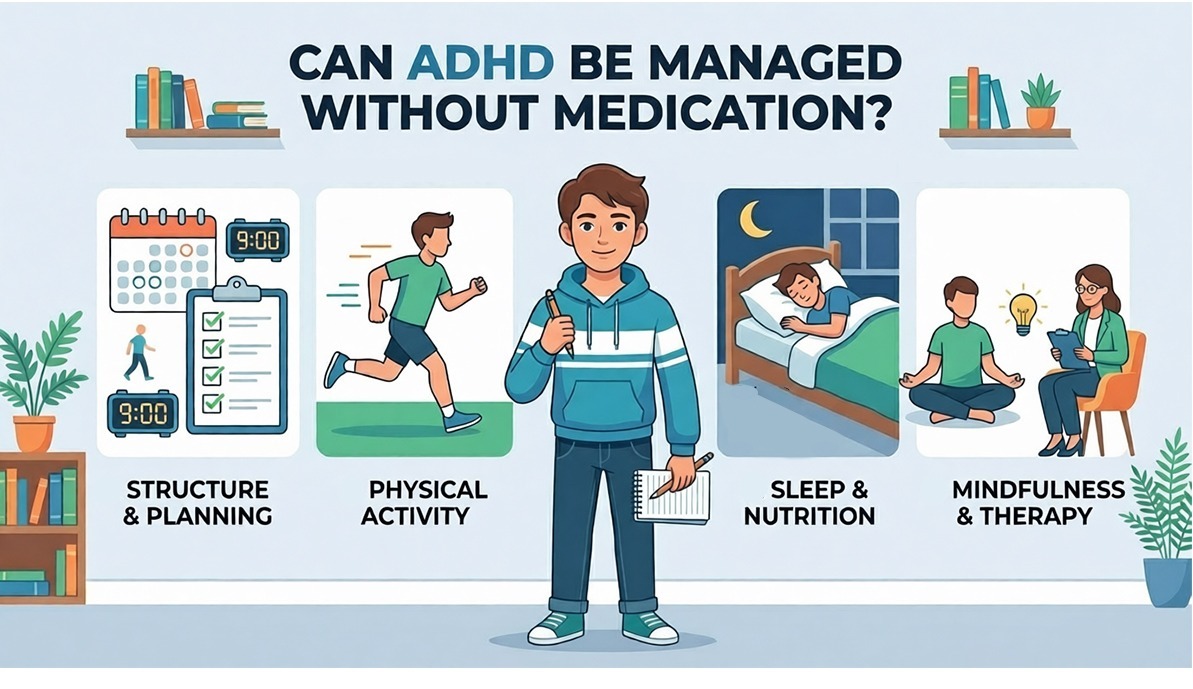
Medications associated with ADHD treatment certainly produce various kinds of side effects and come with numerous risks, like certain medical treatments. Behavior therapy happens to be a proven and effective treatment for ADHD, and it is perfectly suited for those who suffer from these conditions and want to avoid all kinds of medicines completely.
The full form of ADHD is Attention Deficit & Hyperactivity Disorder, a common mental disorder present within children and teens. There are several medications used to treat ADHD that might cause severe side effects like addiction and heart problems.
Numerous parents of kids who already have ADHD are curious and want to know whether it is really possible to treat this condition by using other unique methods. From reputable information-based medical websites like Medipedia, you can acquire more valuable information about whether ADHD can be efficiently treated without any kind of drugs and how to contact a distinguished medical center if you or your child requires aid to manage ADHD.
What Causes ADHD?
While the causes of ADHD are already unknown, says the CDC. Moreover, it adds that researchers think that it might be caused by genetics. Scientists are mostly researching other possible causes and risk factors related to ADHD. Some of the potential ADHD risk factors include the following.
- Injury to the brain
- Exposure to harmful chemicals and metals like lead during
- Alcohol and tobacco use during pregnancy
- Pre-term delivery
The American Academy of Child and Adolescent Psychiatry stated that dopamine and norepinephrine have major involvement in ADHD; they are chemicals that are mainly found in the brain. Dopamine and norepinephrine are largely involved in brain functions related to attention, concentration, and reward. An imbalance due to this brain chemical will definitely result in the presence of ADHD.
The Most Common Treatments For ADHD
Behavior therapy and medications are the common treatments for ADHD, according to the CDC. Definitely, it adds that for children with ADHD under the age of six, behavior therapy appears to be the first line of treatment before any type of medication.
Once kids who have ADHD turn six, they should receive both behavior therapy and medications. According to the CDC, stimulants happen to be the most commonly used medications for patients who have ADHD. It is always said that between 70% and 80% of kids with ADHD who consume these drugs have very few symptoms of ADHD.
Non-stimulants for ADHD are available, too, but stimulants are never as fast. Its effects last up to 24 hours. The ADHD stimulants use special kinds of methylphenidate and amphetamine.
FDA says that these drugs work by increasing the brain’s overall dopamine levels. Dopamine is mostly associated with motivation, attention, and movement. Stimulants are mostly shown to have a calming effect on kids with ADHD.
Non-stimulants for ADHD do include clonidine, atomoxetine, and guanfacine. The majority of these drugs work by increasing the brain’s norepinephrine levels. They do reduce impulsive and hyperactive behavior. They will certainly improve both attention and focus.
The Risks Of Using ADHD Medications
The majority of the medications that are used for the treatment of ADHD come with potential risks and side effects. It is no different from any other medication used to treat a health condition.
There are times when the benefits of using medications to treat ADHD certainly outweigh the harmful threats. In most cases, it can help you talk to your doctor. Your doctor can certainly discuss any of the risks that can occur if your child takes ADHD medications.
The Common Side Effects of ADHD Stimulants
Some of the common side effects of ADHD stimulants, as per Child Mind Institute, include the following:
- Sleep problems like insomnia
- Loss of appetite
- Nausea
- Headache
- Delayed growth, specifically in boys
- Rebound symptoms
- ADHD symptoms might come back and become more severe after the effects of the medication certainly wear off.
- Change in sudden mood, like irritability or being tearful
- Cardiac arrest
- Dependence or addiction
While non-stimulants for ADHD certainly produce side effects. Some of these include:
- Stomach upset and stomach pain
- Loss of appetite
- Nausea and vomiting
- Dizziness
- Fatigue
- Mood changes
- Heache
- Changes in heart rate
- Low blood pressure
- Liver problems
- Suicidal thoughts
Your doctors can talk to you in-depth regarding the risks associated with an ADHD medication. Risks and side effects are certainly listed on the medication’s package insert.
Is It Really Possible To Treat ADHD Without Medication?
Medication might be the most common treatment for ADHD aside from behavior therapy. There exist plenty of other treatment options available for those who don’t want their child to use ADHD drugs. While therapy on its own is shown to be highly effective at treating ADHD.
The approaches to ADHD therapy used in some cases include behavior therapy, talk therapy, and family therapy. Children receive training in being polite and sociable in different social situations. It is known as social skills training. As the parent of a child with ADHD, you will receive education about how to deal with having a child with this disorder.
The way behavior therapy works with ADHD kids is that parents are taught how to respond to impulsive situations, and they are rewarded for not behaving that way. For an older child, talk therapy will definitely help them to understand themselves better and learn appropriate coping skills to deal with having ADHD.
Practices like F8 Wellness specialize in this type of care, utilizing a functional medicine approach to look beyond surface symptoms and address the underlying root causes of chronic health issues
Other non-medication treatments that might work for ADHD include
- Yoga
- Nutrition
- Meditation
- Nutritional supplementation
- Biofeedback
- Exposure to the outdoors
Can ADHD Be Treated Naturally?
The above non-drug treatment for ADHD can certainly be referred to as natural treatments. Natural treatments are already non-invasive and never involve drugs.
As ADHD can be treated naturally without drugs, very little research has been performed on the majority of these treatments. While natural treatments for ADHD aren’t mostly recommended, as doctors don’t know whether they work or how efficient they are.
Talk to the doctor regarding the pros and cons of natural treatments for ADHD. The doctor can help you with the basic steps to take based on your ADHD symptoms.
What Are Ways To Improve ADHD Without Drugs?
Do try behavior therapy for ADHD first, before resorting to other natural treatments. Behavior therapy for ADHD is a proven and effective treatment. It can certainly teach you, your child, and other household members how to live healthy, productive, and happy lives with ADHD.
Some therapists certainly specialize in ADHD. They are trained to help you and your kids learn how to manage the condition. Therefore, ask your doctor to refer you to an ADHD therapist. Over time, you and your kids can certainly learn unique skills and may reduce ADHD symptoms.
Here are steps that you can opt for to improve ADHD symptoms without drugs.
1. Exercise regularly
Exercise enables your mind to redirect its energy and improve sleep. Exercise also helps you regulate brain chemistry to reduce ADHD symptoms.
2. Eat Healthy Foods
A higher amount of sugar can certainly lead to irritability and increased energy for a short period. It can even cause imbalances in brain chemicals that are associated with ADHD. Do provide your child with healthy foods loaded with vitamins and minerals. Even a lack of nutrients might improve brain function.
3. Limit screen time
Do reduce the amount of time your kid spends just in front of screens, like TVs and computers. While certain cartoons and video games might worsen ADHD symptoms. Screens do interfere with sleep. Simply go outside. Various studies reflect that kids who have ADHD spend la ot of time outside and suffer from fewer symptoms than those who don’t. Simply take your kid outside to play or perform activities like hiking and biking.
4. Enroll your kid in special school programs.
ADHD certainly makes school and classwork challenging. Therefore, ask your kids’ school about special classes or programs for children who have ADHD.
While the school may also have teachers who are trained to work with kids with ADHD.
5. Attend a support group.
For kids who have ADHD, support groups are available, especially near you. These are a good way for parents to see new strategies they haven’t seen before, and a great way to meet parents who understand.
How do I tell my doctor that I don’t want to be on ADHD drugs?
If you never want yourself or your child to use ADHD medications, it would be best to talk openly and truthfully with your doctor about it. Your doctors will be able to talk about other treatment methods and will work with you and your child to determine what’s best for them. They will be able to talk about the pros and cons of the different methods of ADHD treatment. In some cases, it’s possible that your doctor could give it a shot and recommend trying ADHD medication if symptoms have not gotten any better after some time.
At times, it can take several weeks or months to find an ADHD treatment that really works out. It is certainly normal. At the same time, people who take medications for ADHD should check with the prescription reader from Medipedia, as it aids them in finding the appropriate drug that works for them.
While being on your quest to find an ADHD treatment that works effectively, do keep in mind that symptoms might never improve straight away. You should require a list of coping methods to try before finding the appropriate treatment. Your doctor might suggest seeing a therapist during this time or suggest that you join a support group for people with ADHD and their family members as well.
Some of the tips to cope with ADHD while searching for the ultimate treatment are as follows:
Stay calm and know that a solution is always on the horizon. It might take some time, but eventually, you might find a treatment that works.
● Do reward children mostly for positive behavior
Small rewards will certainly boost your kid’s motivation, self-esteem, and confidence.
● Do establish a routine
A routine can aid your children to stay on track, as it will always know exactly what to expect.
● Prioritize playtime
Play with your child regularly. It can help you discover your child’s unique strengths and talents.
Bottom Line
ADHD can effectively be managed without medication through a mixture of behavior therapy, healthy lifestyle habits, structured routines, and strong family support. Medications might help some individuals reduce symptoms, but they aren’t the only option and may come with specific risks and side effects.
Non-medication approaches like proper nutrition, exercise, therapy, mindfulness, reduced screen time, and outdoor activities can certainly improve focus, emotional regulation, and overall well-being.
As every child and adult certainly experiences ADHD uniquely, it is critical to work closely with a healthcare professional to find the most correct treatment plan. With patience, guidance, and the appropriate support system, individuals who have ADHD can definitely lead fulfilling, healthy, and productive lives.