

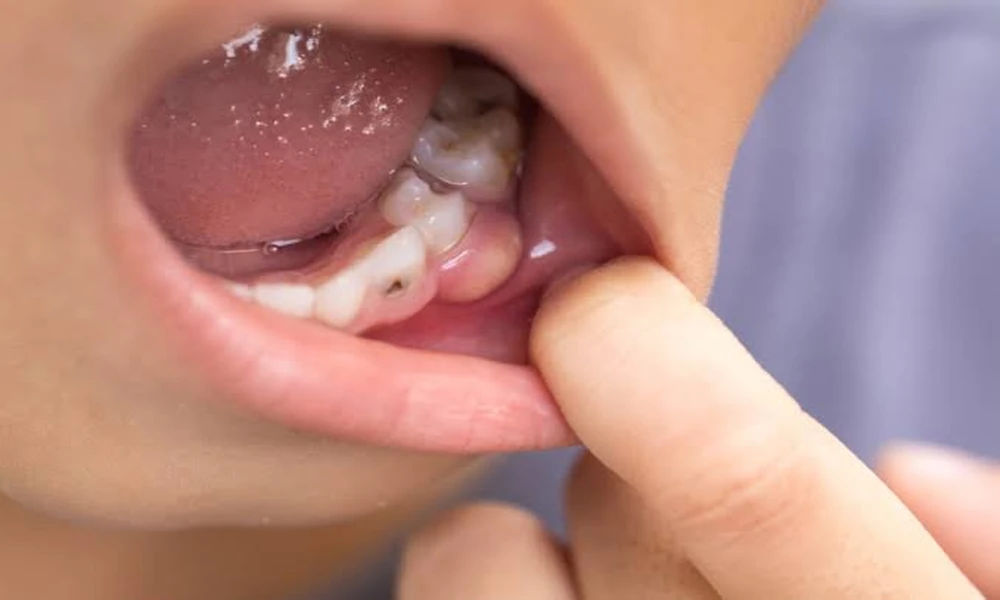
You may have noticed a swollen gum, a bad taste in your child’s mouth, or a toothache that seemed small at first and then turned into tears at bedtime. That kind of pain can shake up the whole house. A pediatric dental abscess is not just a sore tooth. It is an infection, and it needs prompt care from an emergency pediatric dentist in Santa Ana.
The short version is simple. A dental abscess in a child can spread, pain often gets worse quickly, and home remedies will not clear the infection. Your child needs to be seen by a pediatric dentist. If there is facial swelling, fever, trouble swallowing, or trouble breathing, treat it as urgent medical care. MedlinePlus explains that a tooth abscess is a pocket of infection caused by bacteria, and that definition matters because infection behaves differently than simple irritation.
Pediatric dental abscesses often start quietly and then escalate fast
An abscess can form when tooth decay reaches the inner part of the tooth, when a cracked tooth lets bacteria in, or when trauma damages the nerve. In children, this can happen in baby teeth and permanent teeth. Parents are often surprised by that. A baby tooth may seem temporary, but infection around it is not harmless just because the tooth will fall out someday.
You might see gum swelling, a pimple like bump on the gum, cheek swelling, pain with chewing, foul breath, fever, or sudden sensitivity to hot and cold. Some children cannot explain what hurts. They stop eating on one side, wake up at night, or become clingy and irritable. That change in behavior is often the clue.
Waiting can turn one bad afternoon into a much bigger problem. The infection may spread into nearby tissue, affect the developing adult tooth, or lead to swelling that makes eating and sleeping hard. In some cases, children need antibiotics, drainage, pulp therapy, or extraction. The treatment depends on where the infection is, how severe it is, and whether the tooth can be saved.
Antibiotics help in some cases, but they do not replace dental treatment
This is where many parents get stuck. If an infection is involved, it feels logical to ask for an antibiotic and hope that handles it. Sometimes antibiotics are part of care, especially when there is swelling, fever, or signs the infection is spreading. They are not a substitute for treating the source of the infection inside or around the tooth.
The American Academy of Pediatric Dentistry states in its guidance on the use of antibiotic therapy for pediatric dental patients that antibiotics should be used carefully and only when truly indicated. That matters for two reasons. First, unnecessary antibiotics will not fix decay or dead tissue inside a tooth. Second, overuse raises the risk of resistance and side effects.
If your child has a swollen face, severe pain, fever, or seems generally unwell, a pediatric dentist may coordinate urgent treatment right away. If breathing or swallowing becomes difficult, go to emergency care immediately.
Home care can ease discomfort, but a child tooth infection still needs a pediatric dentist
Parents often try the sensible things first. Rinsing with warm salt water if the child is old enough to spit. Soft foods. A cold compress on the cheek. Pain medicine as directed by the child’s physician or dentist. Those steps can help with comfort, but they do not remove the infection.
A common pattern is that the pain suddenly improves, which feels like relief, and then swelling appears. That can happen when pressure drains from the tooth into the gum. It does not mean the problem is gone. It means the infection has changed course.
This is one reason a children’s dental abscess needs a timely exam, even if your child seems calmer by morning. The goal is not just to stop pain today. It is to protect nearby teeth, bone, and your child’s overall health.
Professional care versus waiting at home
| Situation | What Home Care Can Do | What Professional Dental Care Can Do | Main Risk of Waiting |
|---|---|---|---|
| Mild tooth pain with gum swelling | Reduce discomfort for a short time | Find the source with an exam and X-rays, treat the tooth, plan follow-up | Infection spreads deeper into gum or bone |
| Visible pimple on the gum or drainage | May seem to relieve pressure | Treat the infected tooth and stop repeat flare-ups | False sense of improvement while infection remains |
| Facial swelling or fever | Very limited benefit | Urgent treatment, possible antibiotics, close monitoring | Rapid worsening and spread beyond the tooth |
| Pain after a fall or cracked tooth | Temporary comfort only | Check for nerve injury, fracture, and infection risk | Damage inside the tooth goes untreated |
Early dental relationships lower the odds of a crisis
Many abscesses begin with untreated decay that had no obvious warning signs. Regular visits help catch cavities before they turn into infection. The American Academy of Pediatric Dentistry recommends establishing a dental home early so children have consistent, preventive, family centered care. That steady relationship makes a big difference when something hurts. You already know who to call, and your child is more likely to be seen in a setting that feels familiar.
Three steps to take right away when you suspect a pediatric dental abscess
1. Check for red flag symptoms. Look for facial swelling, fever, trouble swallowing, trouble breathing, or unusual sleepiness. Those signs raise the urgency. Breathing or swallowing problems need emergency evaluation.
2. Call a pediatric dentist the same day. Describe the pain, swelling, drainage, fever, and whether the tooth was injured. Mention if your child is refusing food or waking at night. That helps the office judge how fast your child needs care from a pediatric dentist.
3. Keep your child comfortable without trying to treat the infection yourself. Offer soft foods, use a cold compress on the outside of the cheek, and follow guidance for age appropriate pain relief. Do not place aspirin on the gum. Do not try to pop or drain the swelling at home.
Prompt care brings relief and prevents bigger problems
If your child has signs of a dental abscess, trust your instinct and act quickly. You are not overreacting. Dental infections in children can change fast, and early treatment is usually simpler than waiting until swelling and pain build. A pediatric dentist can identify the cause, control the infection, and help protect your child’s comfort and long term oral health.