

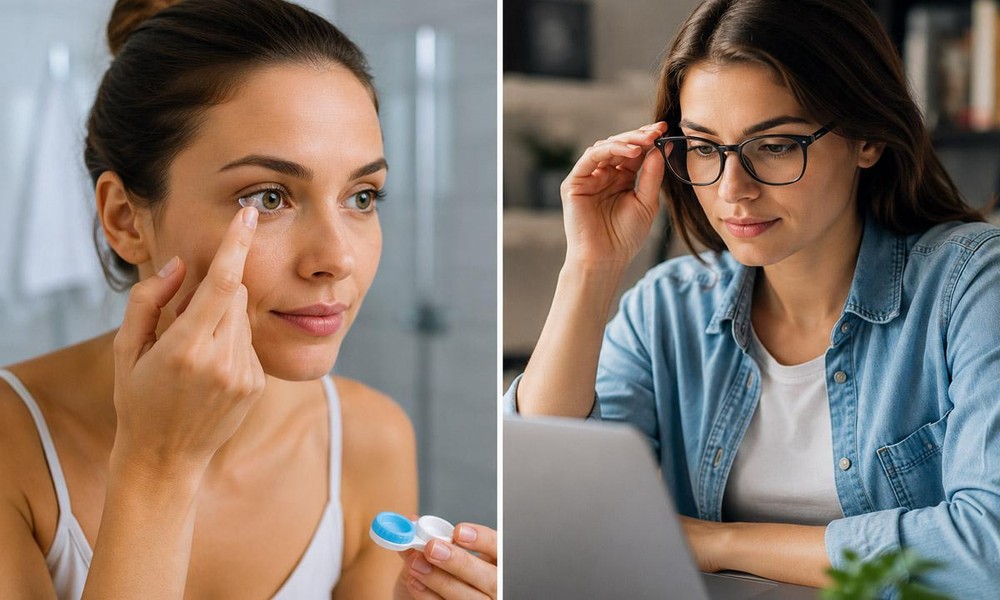
Comparing comfort, convenience, eye health, and daily routines to help patients choose the right vision correction option.
For decades, glasses were considered the standard solution for correcting vision problems. Today, patients have more choices than ever before, including a wide range of contact lenses, designer eyewear, and advanced surgical options. While both contact lenses and glasses can effectively improve vision, the right choice often depends on lifestyle, comfort preferences, eye health, work habits, and personal goals.
Some patients love the simplicity and style of glasses, while others prefer the freedom and flexibility that contact lenses provide. There is no universal answer because every patient’s visual needs and daily routines are different. Understanding the benefits and limitations of each option can help patients make more informed decisions about their long-term eye care.
At Anaheim Eye Institute, patients receive personalized vision evaluations designed to match corrective solutions with their unique lifestyles and visual demands.
“The best vision correction option is the one that fits comfortably into your everyday life while supporting long-term eye health.”
The Benefits of Wearing Glasses
Glasses remain one of the easiest and safest forms of vision correction. They are simple to maintain, non-invasive, and highly effective for correcting nearsightedness, farsightedness, astigmatism, and age-related vision changes.
Many patients appreciate that glasses require very little daily maintenance compared to contact lenses. There is no need for insertion, removal, cleaning solutions, or touching the eyes directly.
Modern eyewear also offers significant style flexibility. Frames have become both functional and fashionable, allowing patients to express personal style while improving their vision.
Another major advantage is eye comfort. Glasses do not interfere with the eye’s natural tear film, making them especially beneficial for patients prone to dry eye syndrome or allergies.
Blue-light filtering lenses and transition lenses have also become increasingly popular among patients who spend long hours on computers or moving between indoor and outdoor environments.
However, glasses do have limitations. They can fog up during temperature changes, become uncomfortable during physical activities, and sometimes interfere with peripheral vision.
Why Many Patients Prefer Contact Lenses
Contact lenses provide a more natural visual field because they move with the eye rather than sitting in front of it. Many patients feel that contacts deliver sharper peripheral vision and greater convenience during sports, workouts, and outdoor activities.
Patients who dislike the appearance of glasses often prefer the cosmetic freedom that contact lenses provide. Contacts also eliminate issues like frame pressure, slipping, or fogging.
Modern contact lens technology has advanced dramatically over the years. Daily disposable lenses, silicone hydrogel materials, toric lenses for astigmatism, and multifocal contacts have made contacts more comfortable and accessible for a wider range of patients.
Daily disposable lenses are especially popular because they reduce maintenance while minimizing protein buildup and contamination risks.
However, contacts also require greater responsibility. Improper lens hygiene can increase the risk of infections, corneal irritation, and dry eyes. Sleeping in lenses when not approved or failing to clean them properly can create serious complications.
Some patients also experience discomfort after prolonged wear, particularly in dry environments or during extended screen use.
Lifestyle Factors That Influence the Best Choice
Lifestyle often plays one of the biggest roles in deciding between contacts and glasses.
Patients who participate in athletics, fitness activities, or active outdoor lifestyles frequently prefer contacts because they provide unrestricted movement and clearer peripheral vision. Glasses may slide, fog, or break during sports.
Professionals working long hours on computers may lean toward glasses with blue-light filtering technology, especially if they already experience dry eye symptoms aggravated by screen exposure.
Travel habits matter as well. Glasses are generally lower maintenance for long trips, while contacts require carrying solutions, cases, and backup lenses.
Climate can also influence comfort. Patients in dry environments or air-conditioned spaces may find contacts less comfortable because tear evaporation occurs.
Children and teenagers may benefit differently depending on maturity and hygiene habits. Some younger patients adapt very well to contact lenses, while others may find glasses easier to manage.
Eye Health Considerations Before Choosing Contacts
Not every patient is an ideal candidate for contact lenses. Comprehensive eye exams are important because factors like dry eye syndrome, allergies, corneal health, and tear production directly affect lens comfort and safety.
Patients with chronic dry eye may struggle with extended contact lens wear because lenses can worsen irritation and fluctuating vision. Allergies may also increase discomfort during certain seasons.
Proper lens fitting is critical as well. Poorly fitted contacts can cause irritation, blurry vision, or even corneal damage over time.
Eye doctors evaluate corneal curvature, tear quality, and overall eye health before prescribing lenses. Regular follow-up visits are important to monitor long-term eye health and ensure lenses continue fitting properly.
Patients considering LASIK in the future may also discuss how their current vision correction method fits into long-term surgical planning.
“Comfort, convenience, and eye health should always work together when choosing vision correction.”
Combining Glasses and Contact Lenses
Many patients ultimately discover that using both glasses and contacts provides the best flexibility.
Some wear contacts during work, sports, or social activities while using glasses at home to reduce eye fatigue. Others alternate depending on environmental conditions or screen time demands.
Having backup glasses is also important for contact lens wearers in case of irritation, infection, or emergencies.
This combination approach often allows patients to enjoy the strengths of both options while minimizing some of their individual limitations.
FAQs
Are contact lenses safe for daily use?
Yes, when prescribed properly and used with excellent hygiene habits, contact lenses are generally very safe.
Can contact lenses worsen dry eyes?
Some patients experience increased dryness with contacts, especially during long screen use or in dry climates.
Which option is better for sports?
Many athletes prefer contacts because they provide unrestricted movement and peripheral vision.
Can I switch between glasses and contacts?
Absolutely. Many patients use both depending on comfort and daily activities.
Schedule a Vision Consultation at Anaheim Eye Institute
Choosing between glasses and contact lenses is a personal decision that should be based on your lifestyle, comfort, and long-term eye health goals. Anaheim Eye Institute provides comprehensive eye exams and personalized vision correction recommendations designed to help patients find the solution that works best for them. Schedule an appointment today to explore your options and improve your everyday visual comfort.